From Hungarian Folk Tales to New Generations
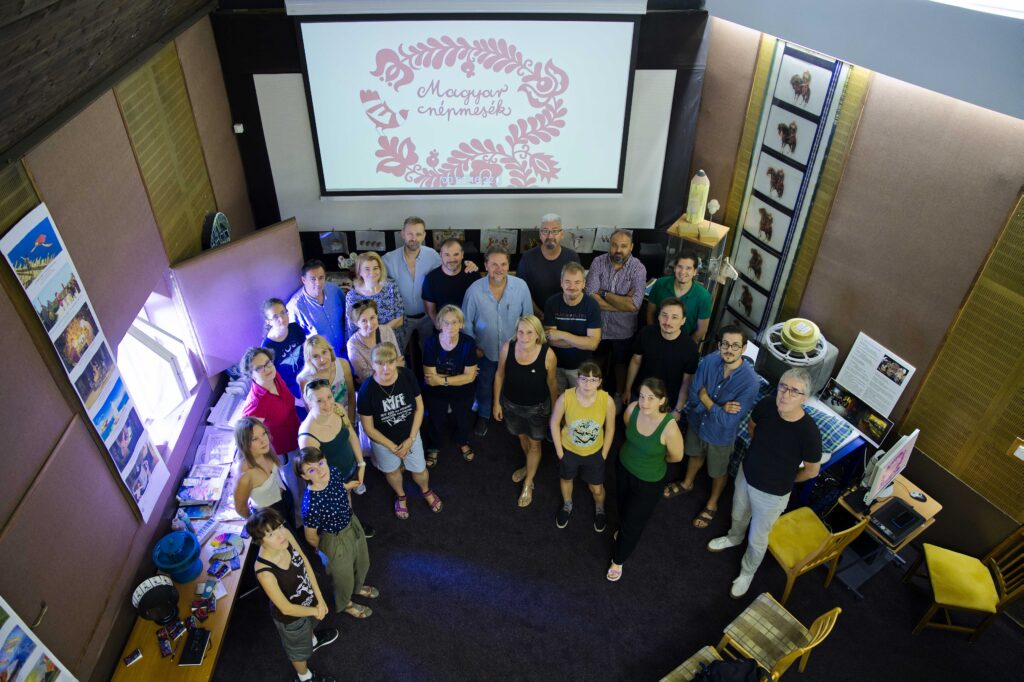
A conversation with László István Tóth, the new head of Kecskemétfilm
For more than five decades, Kecskemétfilm has played a unique role in Hungarian animation, creating films and series that have become part of the country’s cultural memory. Perhaps none has had a greater impact than Hungarian Folk Tales (Magyar népmesék), which began in 1977 and grew into one of the most recognisable Hungarian animated series of all time.
The idea came from Ferenc Mikulás, then head of the Kecskemét studio, who wanted to preserve and bring to life the disappearing treasures of Hungarian rural and folk culture. Jankovics Marcell became the series’ defining artistic figure, establishing a visual language that drew on Hungarian folk art, regional motifs and traditional symbolism.

The result was much more than a collection of animated fairy tales. The visual world, music, language and storytelling created an artistic identity so distinctive that the series itself has become part of Hungary’s cultural heritage. The Hungarian Folk Tales series was added to the Kecskemét Municipal Heritage Register (Kecskemét Települési Értéktár) in 2014, and in 2020, it achieved the highest level of national distinction by being included in the Collection of Hungarikums (Hungarikumok Gyűjteménye).
A few years after the 100th episode of Hungarian Folk Tales was completed in 2011, Kecskemétfilm turned to another important storytelling tradition with Gypsy Tales (Cigánymesék), a series based on Roma folk tales and cultural traditions. The first episodes were produced from 2014 onwards, with Horváth Mária as the leading creative force and other animation directors contributing to the series.
Today, Kecskemétfilm is entering a new chapter under the leadership of László István Tóth. We spoke with him about the origins of these landmark series, their artistic and cultural legacy, and the question of how a studio can carry such a strong tradition into the future without simply repeating the past.
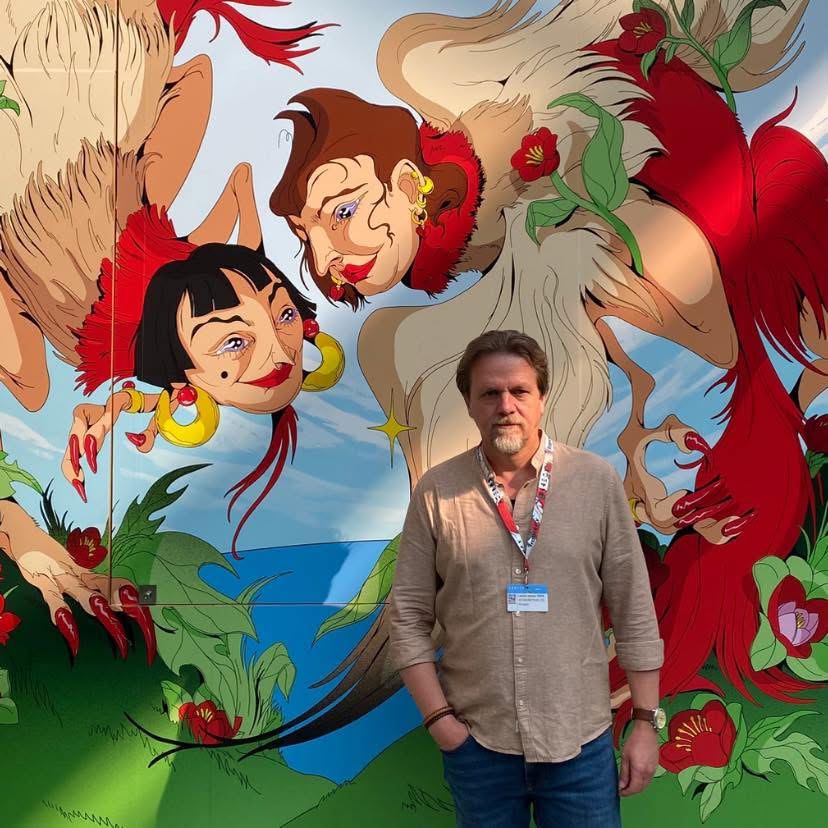
Hungarian Folk Tales have been part of Hungarian childhood for generations. What do you think was the original ambition behind the series?
László István Tóth:
The original ambition behind Hungarian Folk Tales was not to treat tradition as a dusty museum piece, but to turn it into a fresh and relatable experience. Today, television and the internet have replaced traditional village storytellers; if these tales had not moved to the screen, our oral heritage might have almost completely disappeared. The core message and ancient wisdom remained the same – only the packaging became more modern. Thanks to animation, these stories stay engaging, accessible, and lovable for children today.
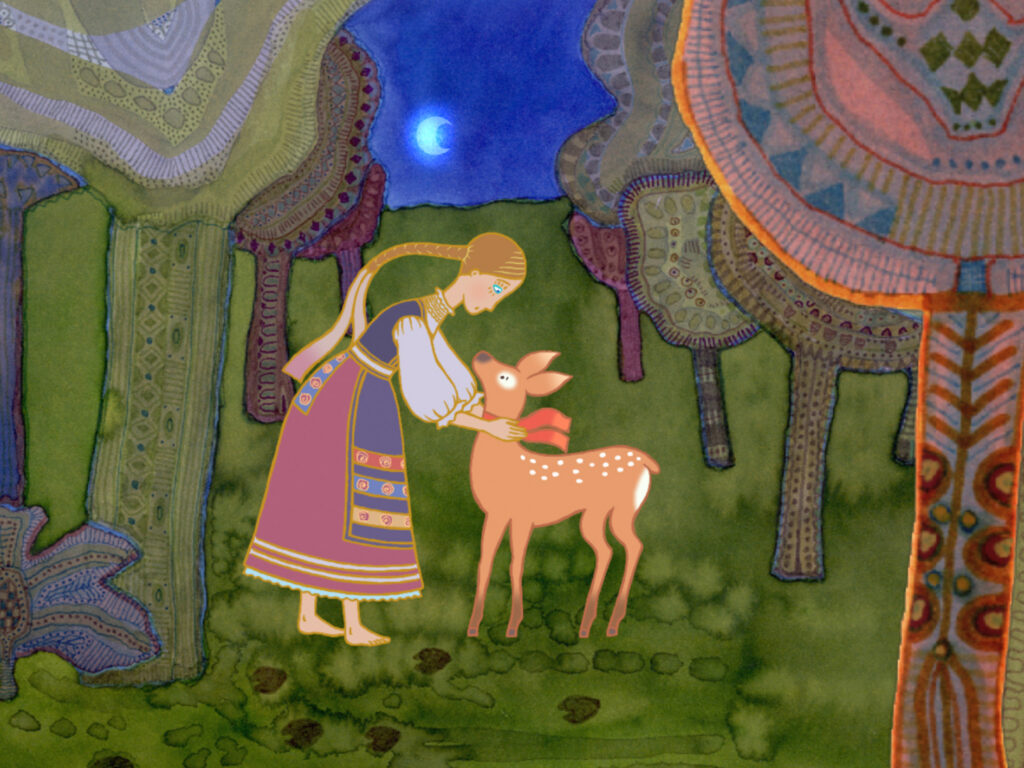
Jankovics Marcell played a defining role in establishing the visual language of the series. What makes that language so recognisable even today?
László István Tóth:
When we look at folk tales and design, we also have to look at the visual and cultural background of these stories. Folk tales originally belong to oral tradition, but in modern media – especially in animation – they become visual. Both fine art and traditional folk art play a huge role in this. The traditional motifs, decorative patterns, colors, and stylized forms become a visual language that comes alive in animated films.
Animation acts as a bridge here: it brings static folk patterns to life and gives them movement. Hungarian Folk Tales (Magyar népmesék) was on television for decades, so it became a shared cultural experience for several generations. It remains popular today, even as people watch it on online platforms.
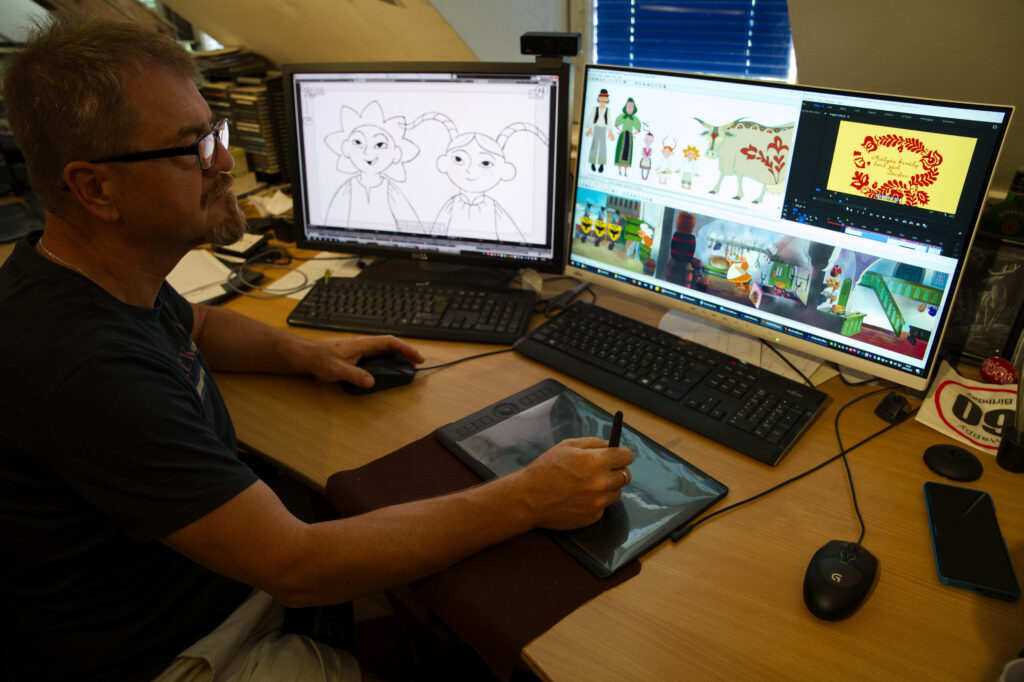
The series is also remarkable because it sounds and feels distinctly Hungarian. How important were music and language?
László István Tóth:
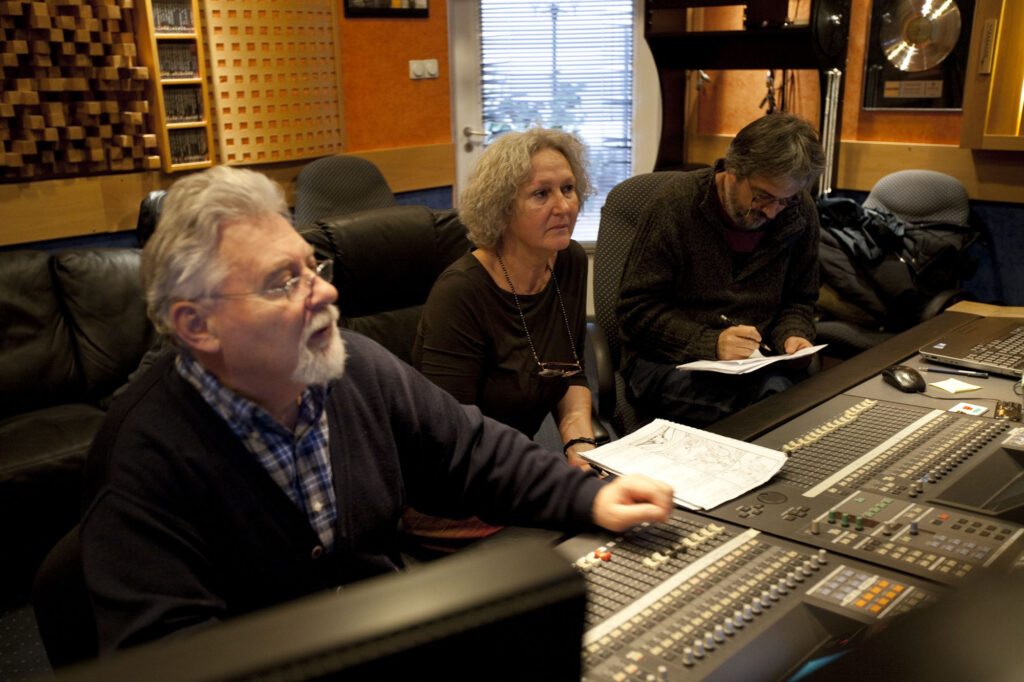
The creators at Kecskemétfilm – among whom directors Mária Horváth and Lajos Nagy deserve special mention – worked hard to turn the old, playful world of folk tales into a complete artistic experience. The voice of Gyula Szabó gave the series its heart and a warm, safe feeling, while the music by the Kaláka ensemble brought a natural, lively rhythm.
Together, the narration and the music created an unforgettable sound. Without this acoustic world, the visual ornaments and folk drawings would never have connected so deeply with Hungarian cultural identity. One big reason for the series’ success is that different parts of Hungarian folk culture – tales, music, and decorative arts – come together here in a very natural way.
Why do you think the series has managed to cross generations so successfully?
László István Tóth:
Looking deeper, in one of his studies Sándor Békési refers to Joseph Campbell, who said that humanity has been telling the same single story for thousands of years. The settings and names change, but the hero’s journey stays the same: it is not a straight line, but a cycle like the path of the sun. The hero leaves home, faces hard tests, hits rock bottom, and then rises again. In the end, the hero wins and returns as a changed, stronger person.
The magical helpers show us that help always arrives when you need it most, so failure is never the end. The clear contrast between good and evil helps children understand the world around them. In the end, a folk tale is not just a moral lesson; it lets the viewer truly feel the victory of good.
From Hungarian Folk Tales to Gypsy Tales (Cigánymesék)
Kecskemétfilm later turned its attention to another important storytelling tradition with Gypsy Tales. What inspired the project?
László István Tóth:
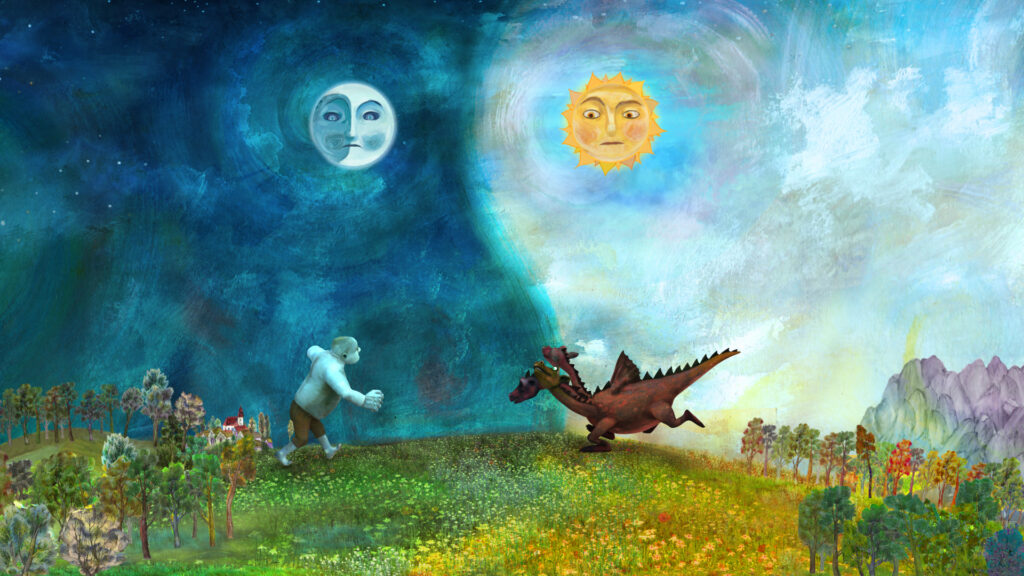
Directors Maria Horváth, Roland Tóth-Pócs and László Balajthy did not want to present these stories as an exotic curiosity, but to let the culture speak for itself through its own narratives – rich with myths, humor, and a unique worldview. In this sense, Gypsy Tales follows the core idea of Hungarian Folk Tales: using animation as a living medium to preserve cultural memory and make it accessible to a wider audience.
The two series deal with different cultural traditions. What connects them?
László István Tóth:
The main bridge between Hungarian Folk Tales and Gypsy Tales is director Mária Horváth. Her artistic vision defines both series: whether it is a poor peasant or a wandering Romani man talking to the Moon, in her interpretation these characters are deeply human, vulnerable, and lovable. They share universal themes – family, love, loss, survival, resourcefulness, and the fight between good and evil. But I think it is equally important not to erase the differences. The value of Gypsy Tales lies precisely in allowing another cultural tradition to speak in its own voice.
Equally important is the studio background behind them: producer Ferenc Mikulás provided the creative freedom and institutional vision for both projects, while production manager Vera Vécsy ensured the steady organizational and production conditions required for their implementation.
The authentic power of both series is also deeply rooted in their narration: while Gyula Szabó’s warm, iconic voice gave Hungarian Folk Tales an unforgettable fireside intimacy, Juli Nyakó’s raw, deeply expressive delivery brought an honest, ancient soul to Gypsy Tales. Finally, both series honor the oral storytelling tradition through music – anchored by the iconic folk melodies of Kaláka in one, and the vibrant, authentic energy of Parno Graszt in the other.
What comes next?
You are now leading Kecskemétfilm into a new period. How do you see the relationship between the studio’s heritage and its future?
László István Tóth:
Heritage is not something static – it is a living foundation. Over the past 55 years, our reputation was built on drawing from the rich reservoir of Hungarian culture and telling meaningful stories with great artistic care. As we enter this new period, our goal is renewal while preserving the soul of the studio.
We do not want to compete by producing huge quantities quickly; instead, we believe in high quality, strong storytelling. We continue to adapt our cultural traditions, but we also rely heavily on the fresh perspective and ideas of young creators socialized in the 21st century. In short, our future is about redefining Kecskemétfilm on the basis of its classic values, so it remains a long-term point of reference both at the domestic and international levels.
Could Hungarian Folk Tales still be made today?
László István Tóth:
Definitely – in fact, new episodes are already in the making. Following the 100 episodes completed in 2011, the series is expanding with 13 new parts this year.
The goal is not to copy the surface details of the original series, but to understand why it worked in the first place. While the individual directors – Lajos Csákovics, Zsolt Maticska, Krisztián Király, and Péter Bogyó – applied folkloric elements through their own distinct visions, in my view, the new episodes fit alongside the earlier ones in a truly worthy way.

Today children encounter stories through streaming platforms, YouTube, games and social media. Does this change the way Kecskemétfilm needs to think about storytelling?
László István Tóth:
The fundamental need for a good story has not changed. However, with so much content available today, viewers’ attention is divided and often superficial, making it harder for a film to keep their interest.
What has truly changed is how we reach our audience. We must be open to new formats and platforms without giving up the high quality, distinct character, and cultural identity that have always defined Kecskemétfilm.
Is there still a place for folk tales in contemporary animation?
László István Tóth:
Absolutely. Folk tales are surprisingly contemporary because they deal with universal human questions that never lose their relevance.
The key is not to treat them as static museum pieces or old-fashioned relics, but as living material – a kind of renewable narrative and cultural resource. In contemporary animation, folklore works as an open framework that artists can recycle, reinterpret, and transform using today’s visual language and storytelling tools.
For me, that is the most important legacy of Hungarian Folk Tales: it proved that cultural heritage is sustainable, and through creative transformation, it can continually become vibrant, contemporary art.
Finally, what would you like Kecskemétfilm to mean to children growing up today?
László István Tóth:
I would like Kecskemétfilm to remain a place where children encounter stories that stay with them throughout their lives. Following Gypsy Tales, we are currently adapting Ervin Lázár’s classic, In the Round Four-Cornered Forest (A Négyszögletű Kerek Erdő). At the same time, the studio is developing more projects that tackle weighty themes intended for adult audiences – films we hope to bring to the screen by the time today’s young viewers grow up.
If our films move them, spark their curiosity, or simply inspire them to pass the stories and melodies on to their own children, our work becomes part of their shared cultural memory. That is the kind of living tradition truly worth carrying forward.
Discover the collection below!
From Hungarian Folk Tales to Gypsy Tales
-
Fantasy Pre-school
Hungarian Folk Tales: A Talking Vine, a Smiling Apple, and a Jingling, Tingling Peach
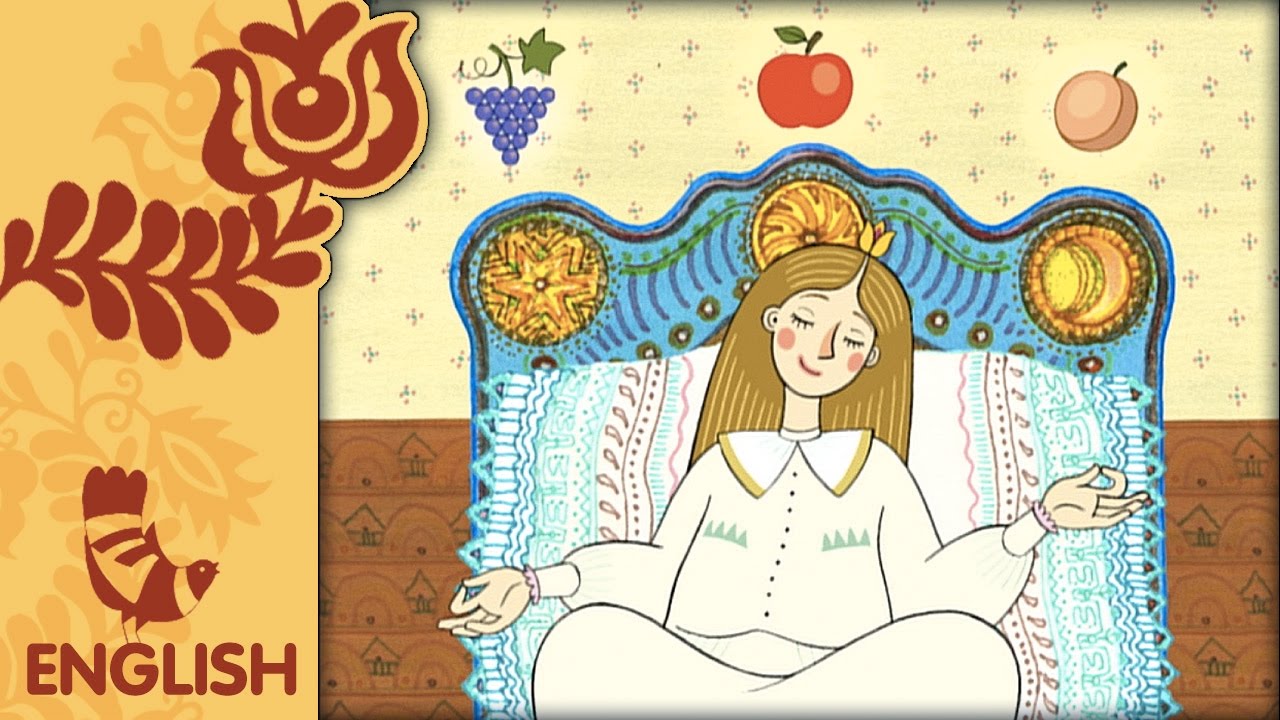
The Hungarian Folk Tales stem from original folktale collections, every episode has its special authentic ornamentation. The trio of folk art, folk music and folk tales are masterfully combined in the episodes. The king brings presents for his daughters, but he cannot fulfil his youngest’s wish because he is unable to find talking grapes, smiling apples and ringing apricots anywhere. On his way home he gets into trouble and only a white swine is able to help him. In return for his assistance the king promises his daughter’s hand to the swine. So, the swine comes for the king's daughter, takes her with him on his cart to the pigsty. But then, lo and behold.
-
Fantasy Pre-school
Hungarian Folk Tales: King Matthias and the Lamb with a Golden Fleece
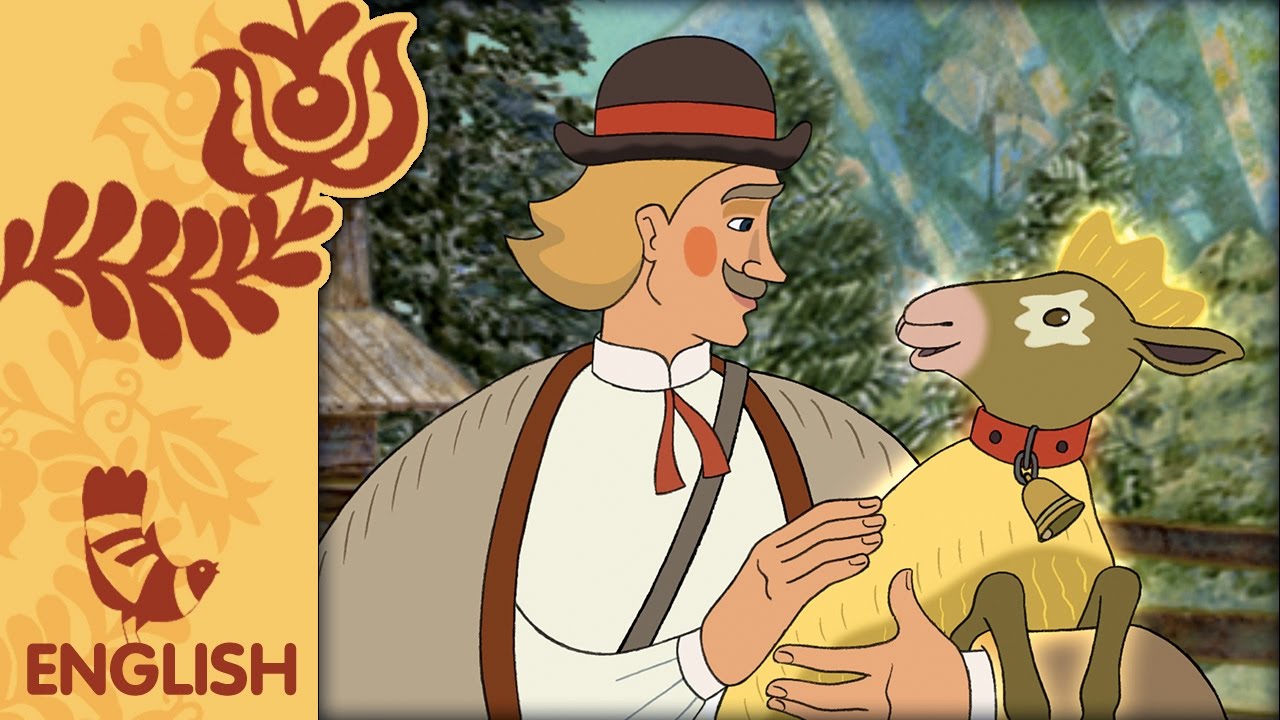
King Matthias and the Lamb with the Golden Fleece: The Prussian King was jealous of the lamb with a golden fleece of King Matthias and decided to obtain it by any means.
-
Fantasy Pre-school
Hungarian Folk Tales: The Man with a Heart of Stone
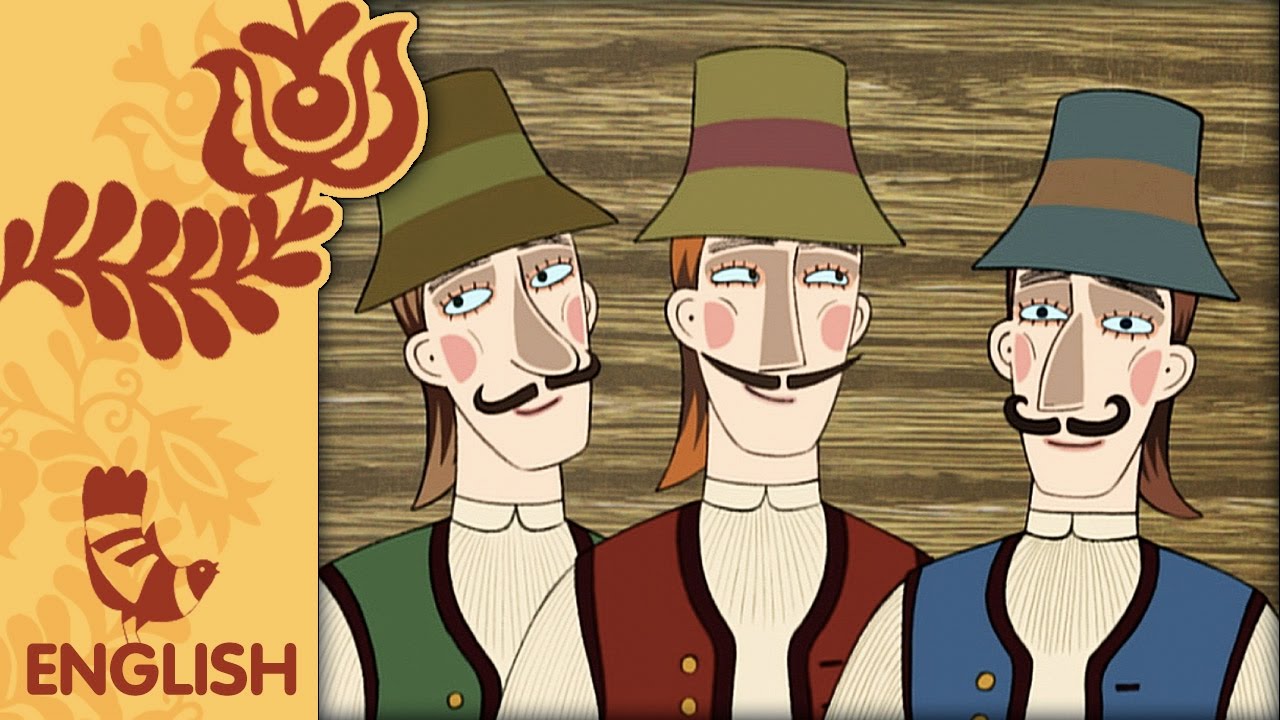
The Man With A Heart Of Stone: Three poor lads take off to find a wife. During their journey a strange old man gives them shelter. The series of complications starts when they don't keep their promise made to the stone-hearted old man.
-
Fantasy Dance
Gypsy Tales: Doja, the Gypsy fairy
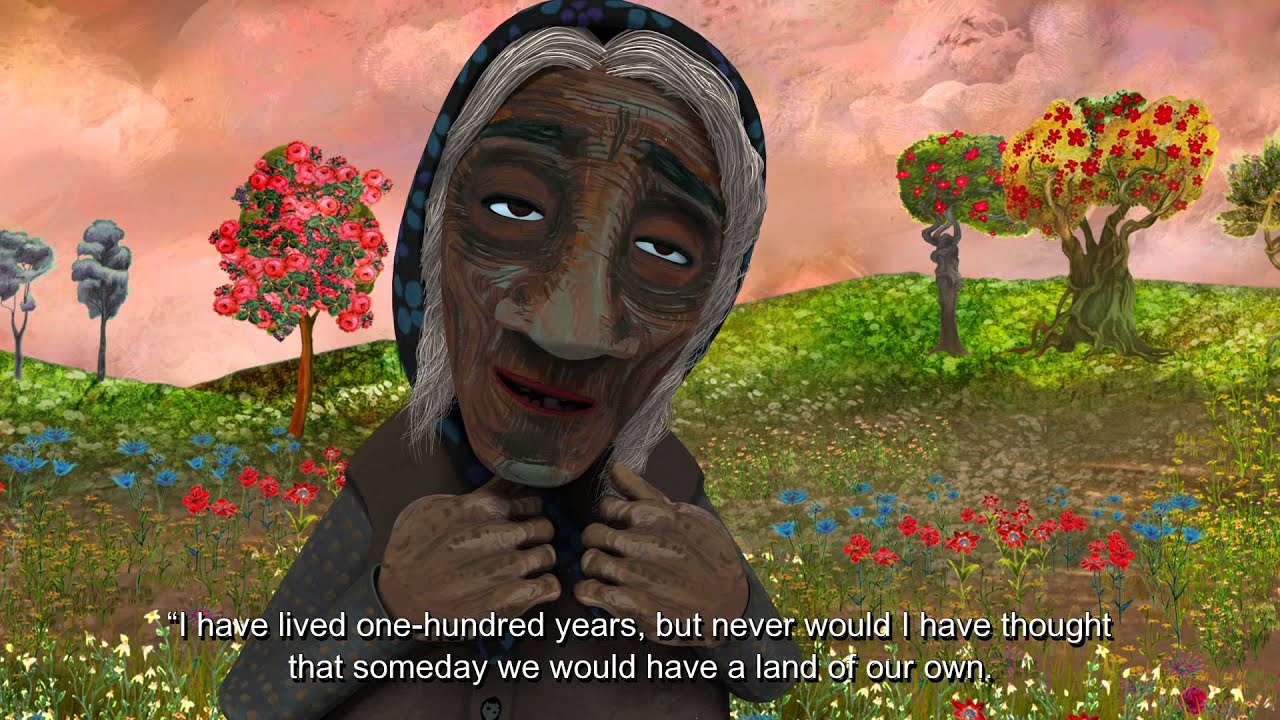
Doja, the beautiful Gypsy fairy, gracefully strolls down a rainbow to be among her people and help them. Clinging to her long, sable hair, they fly with her to a wondrous island, where they can build their own fiefdom and live happily, in peace. But then, one day, a terrible thing happens…
-
Fantasy Romance
Gypsy Tales: The Fiery Red Snake
The story follows a young boy named Aluno who grows up guided by the teachings of his grandfather. His journey introduces him to the world and traditions of the Romani people as he searches for true, unconditional love. This search unfolds through trials set by his closest family members.
-
Drama Adventure
Gypsy Tales: How was Man Created
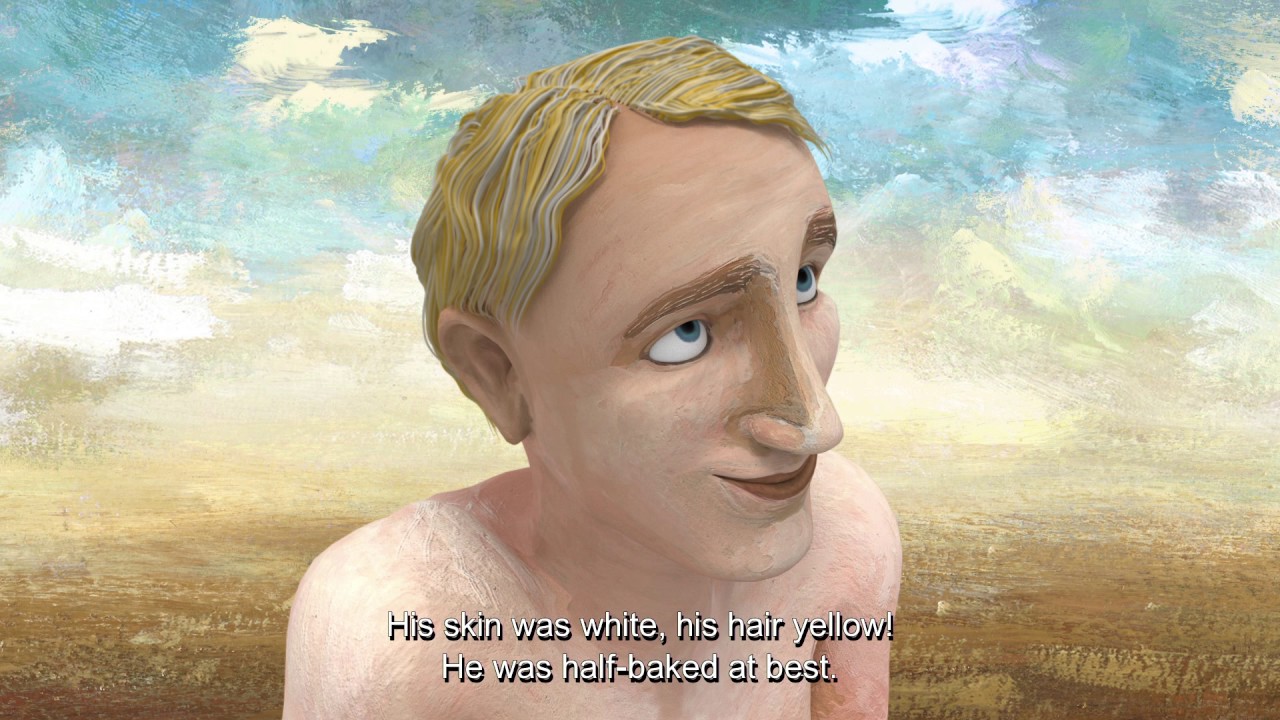
When the good Lord finishes creating the sky, the earth, and the water, he feels content. However, he soon grows lonely. After a moment of quiet thought, he begins to knead a piece of clay, opens the oven, and bakes the very first man