Studying at UMPRUM: you don’t need to do everything on your own
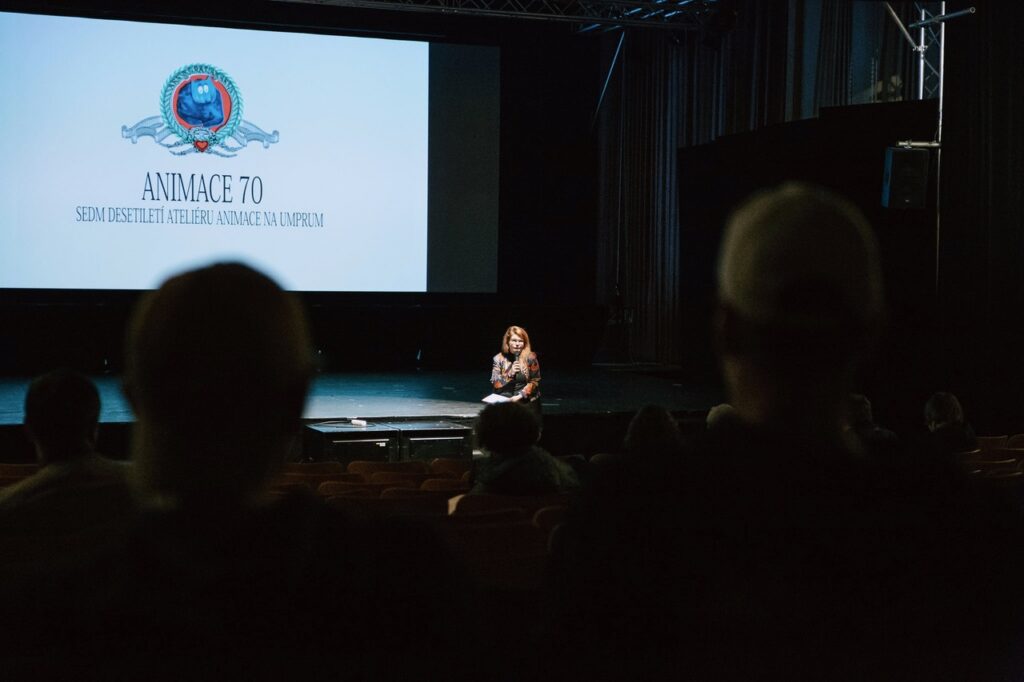
The Animation and Film Studio at the Academy of Arts, Architecture and Design in Prague (better known as UMPRUM) is celebrating its 75th anniversary this year. It is the oldest school of its kind in the Czech Republic. Graduates of the Studio often go on to become award-winning creators in the audiovisual industry, while others find opportunities in different areas of the visual arts. Although animation is often a solitary creative endeavour, the Studio at UMPRUM seeks to challenge this perception. It encourages students to establish long-term collaborations and fosters creative communities throughout their studies. This approach is also reflected in the lasting relationships between faculty and students. In fact, many of the Studio’s current and former heads and teaching assistants studied there themselves.
UMPRUM was founded in 1885, but it was not until 1919 that a school specialising specifically in graphic arts was established. In 1946, UMPRUM gained university status and was divided into several departments. One of these, Applied Graphic Arts, offered courses in typography, book illustration, bookbinding and decorative arts, advertising art, newspaper illustration, and film graphics. The specialised film studio was established with the prominent involvement of the artist, writer, and journalist Adolf Hoffmeister, who became its first director in 1951. In the years that followed, the Studio was led by figures from the worlds of film and illustration, including Miloslav Jágr, Zdeněk Smetana, Jiří Barta, and Jan Balej.
The Animation and Film Studio is currently headed by Jan Drozda and Michaela Režová, both of whom are graduates of the Studio themselves. The Studio offers a four-year Bachelor’s degree programme, followed by a two-year Master’s programme. Its PhD programme offers students the opportunity to pursue artistic research.
Below, Michaela Režová discusses the Studio’s current activities, pedagogical approach, creative methods and achievements. In addition to co-directing the Studio and teaching there, she works in filmmaking and directing, with a particular focus on animated documentaries.

The UMPRUM website features a short introduction to the Animation and Film Studio under the heading BLOOD – SWEAT – TEARS – LOVE – ANIMATION. How do these words reflect the course?
Please take it with a pinch of salt and a sense of humour! It all started well over ten years ago… We were looking for a slogan for our business cards, and our colleague Jakub Zich came up with this one. At least, I think that’s how it happened. It just fits… With animation, you sometimes sweat blood – and not just figuratively – and there are tears at times, too. But let’s not forget the tears of joy when a film is finally finished, finds its audience and receives positive feedback. And underpinning it all is love: love for film, for the craft, and for animation. It is precisely this love that drives us to go through the whole process all over again. We try to nurture this love in our students at the Studio.
Animation is often a time-consuming and, in many cases, solitary activity. Are you managing to change or challenge this reality at the Studio?
Absolutely. The Animation and Film Studio at UMPRUM is a vibrant, lively environment where students spend a great deal of their time, both academically and socially. This naturally gives rise to all kinds of discussions and interactions that shape each student’s creative work. We also actively encourage students to collaborate and work together, whether by curating termly exhibitions or through assignments specifically designed to foster collaboration. Whilst animation can be a solitary pursuit, it is certainly a field where collaboration is key. One of our main goals as teachers is to help students realise that they do not have to do everything on their own.
What do you expect from students applying to study animation and film, and what do you expect of graduates in this field?
For admission to the Bachelor’s programme, we place particular emphasis on a flair for storytelling and the ability to express ideas through an appropriate visual form. A basic understanding of the field and a willingness to work with film technology are also important. These days, it’s simply impossible to do without a computer…
For the Master’s programme, we expect applicants to be capable of creating a complex audiovisual work. Critical thinking, a distinctive artistic style and a broad understanding of the field are essential. Applicants’ portfolios should include a short original film, music video, animated film or similar work that has been screened at festivals, public screenings or similar events.
Graduates of the Studio find work not only as independent creators in audiovisual production but also, thanks to their versatility, in other areas of visual communication. The Master’s programme also allows students to specialise in roles such as creative director or art director.
What themes are students currently exploring in their work?
Students most often reflect on the world they live in and their attempts to find their bearings and place within it. This is reflected in their films, which serve as personal or even generational statements. Genre films also feature, with recent years seeing an interest in horror and dark, dramatic stories. There is no shortage of humour, either, and films aimed at children are also part of the mix. I should also mention non-narrative and experimental films, which explore the possibilities of animation and different formal approaches.
Is it possible to strike a balance in teaching between long-established artistic forms, animation techniques, and freedom of creative expression and artistic practice?
The students themselves would probably be better at answering that question, but I believe we do manage to strike that balance. We try to create a space where students have creative freedom while also guiding them towards the sense of responsibility that artistic creation demands. We don’t always succeed, but we try to instil in our students an understanding that planning and good time management are simply part and parcel of animation, and that the work can’t be done without them. Naturally, our Studio allows us to introduce students to traditional techniques, which they combine in interesting ways with modern technological possibilities. At the same time, we do not steer them exclusively towards original ‘festival’ films. Instead, we introduce them to animation through assignments that demonstrate the wide range of contexts in which animated imagery can appear and, consequently, the many ways it can be put to practical use.
Students are encouraged not only to create auteur films but also to understand animation as a medium with a wide range of applications, from music videos, jingles and trailers to motion design, games, interactive projects and installations. Thanks to its place within UMPRUM, where fine art and applied art studios operate side by side, the Studio provides a space for bringing different approaches together and experimenting with both content and form.
As co-director of the Studio, which of its recent achievements are you most proud of?
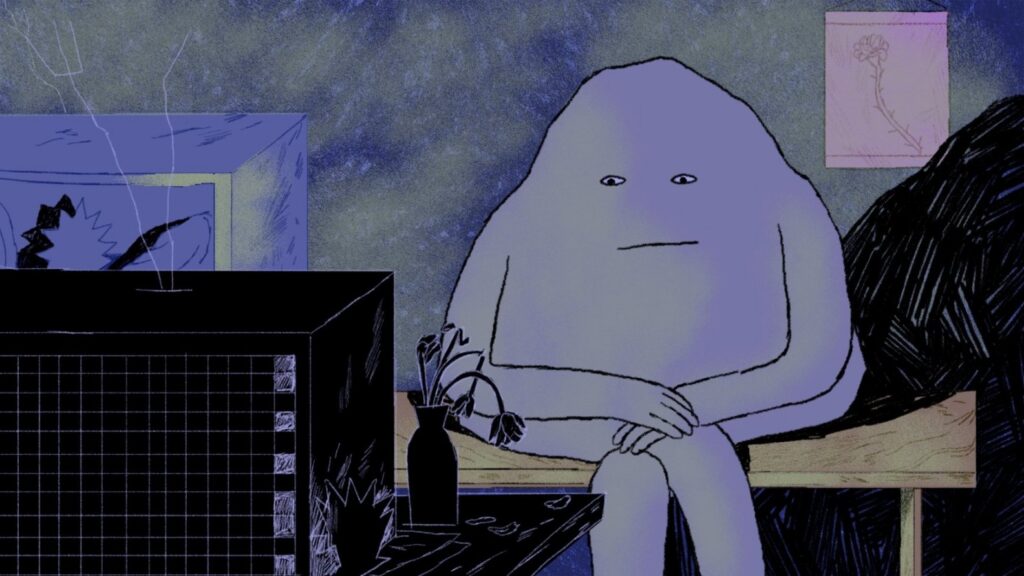
I always say that I am genuinely proud of all our students and graduates who discover what fulfils them during their studies and what they want to pursue further, while also building strong friendships and collaborative relationships. It’s also perfectly fine to realise that you don’t want to be a director, that a supporting creative role suits you better, or that your place might lie outside the field of animation altogether. Ultimately, I consider a student or graduate who is happy with their chosen path to be a success. As for specific achievements in audiovisual production, I would particularly highlight Jakub Hronský’s genre film Overture, which premiered in Zagreb before screening in Brussels, London and elsewhere. It was named Best Slovak Animated Film at Fest Anča 2025, thereby qualifying for Oscar consideration. Julie Černá’s film Stone of Destiny premiered at the Berlinale and has since been selected for dozens of festivals around the world, receiving a very positive response from audiences. This autumn, we can look forward to the premiere of Tereza Burianová’s graduation film What to Say at the Ji.hlava International Documentary Film Festival; it has already secured its first international selections. I could name more examples, but I think these are enough to illustrate the point. More than ten graduation films are due to be completed this year, so we can look forward to a diverse crop of films, and I’m already excited for audiences to see every single one of them.
Editor’s tip:
If you’re interested in the latest animation projects from UMPRUM and other Czech schools, don’t miss The Student Project Pitch Session as part of Czech Animation Day on 23 October.
Watch the collection of films now!
STUDYING AT UMPRUM: You don’t need to do everything on your own.
Studying at UMPRUM
-
Music Videos
Headspace
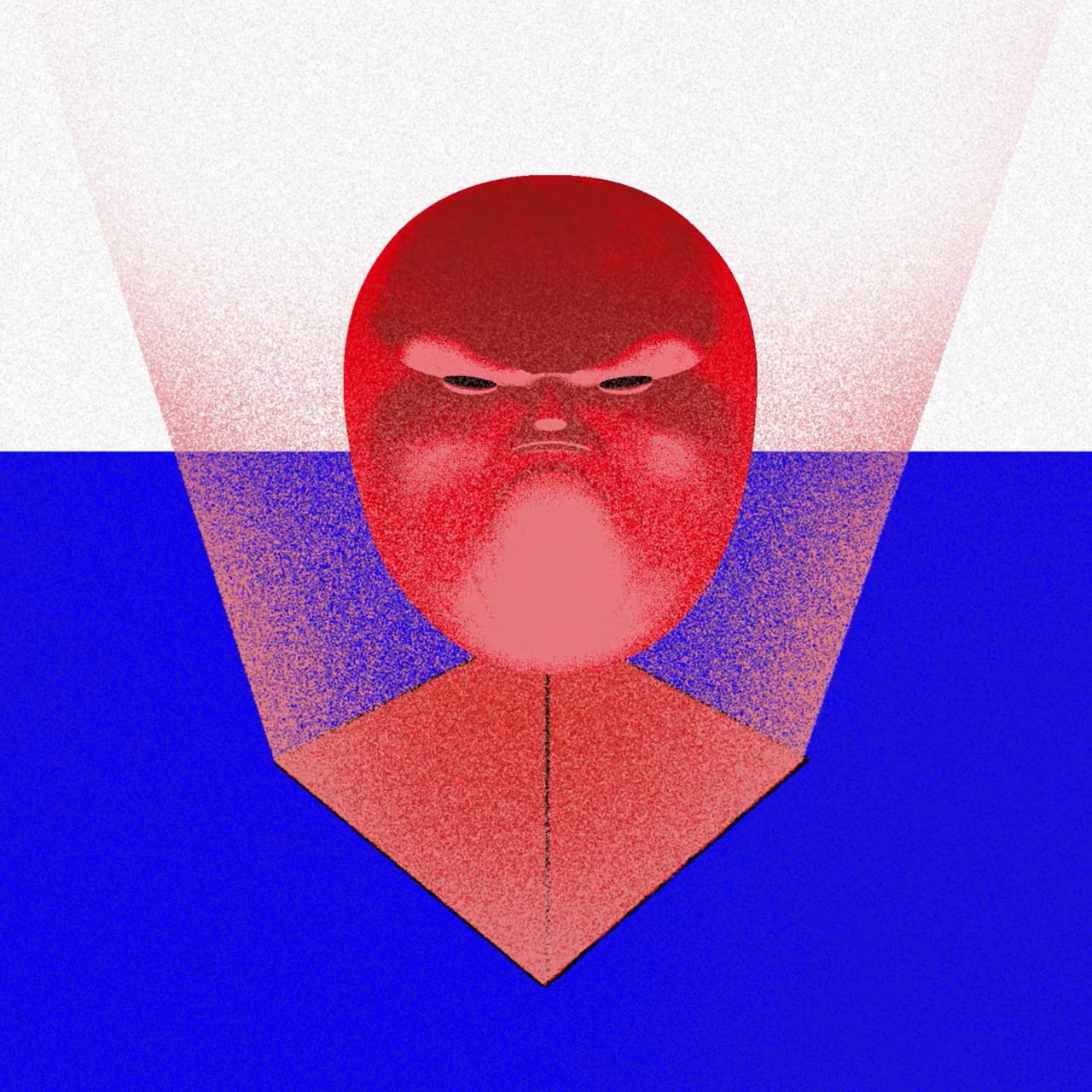
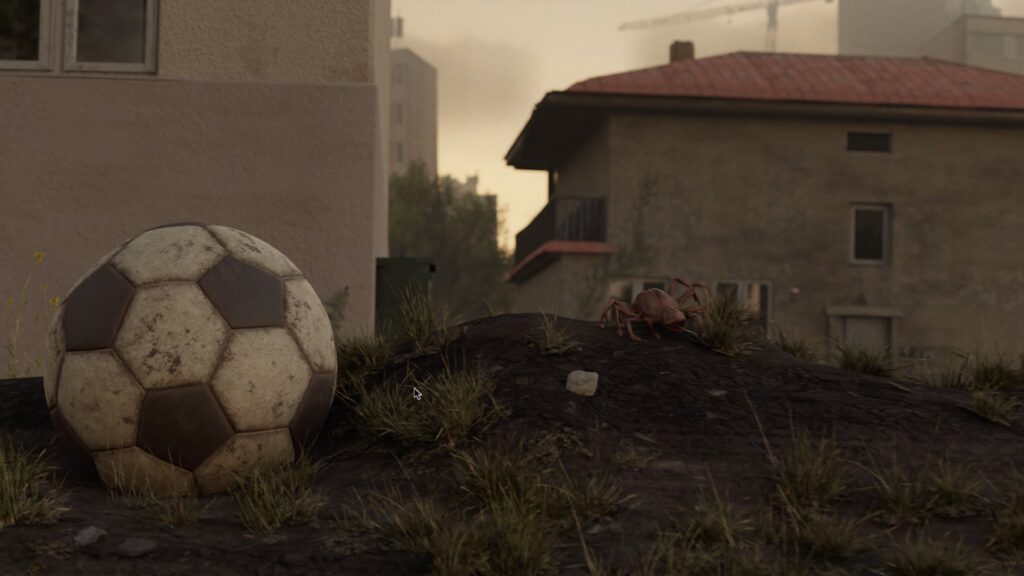
The site-specific experimental music video explores liminal spaces that arise within abandoned gaming servers. Semester assignment where students of the animation studio at UMPRUM had to form teams, start a music band, release a single and make a video for it, along with creating a visual identity for the band.
-
Documentary
Chase
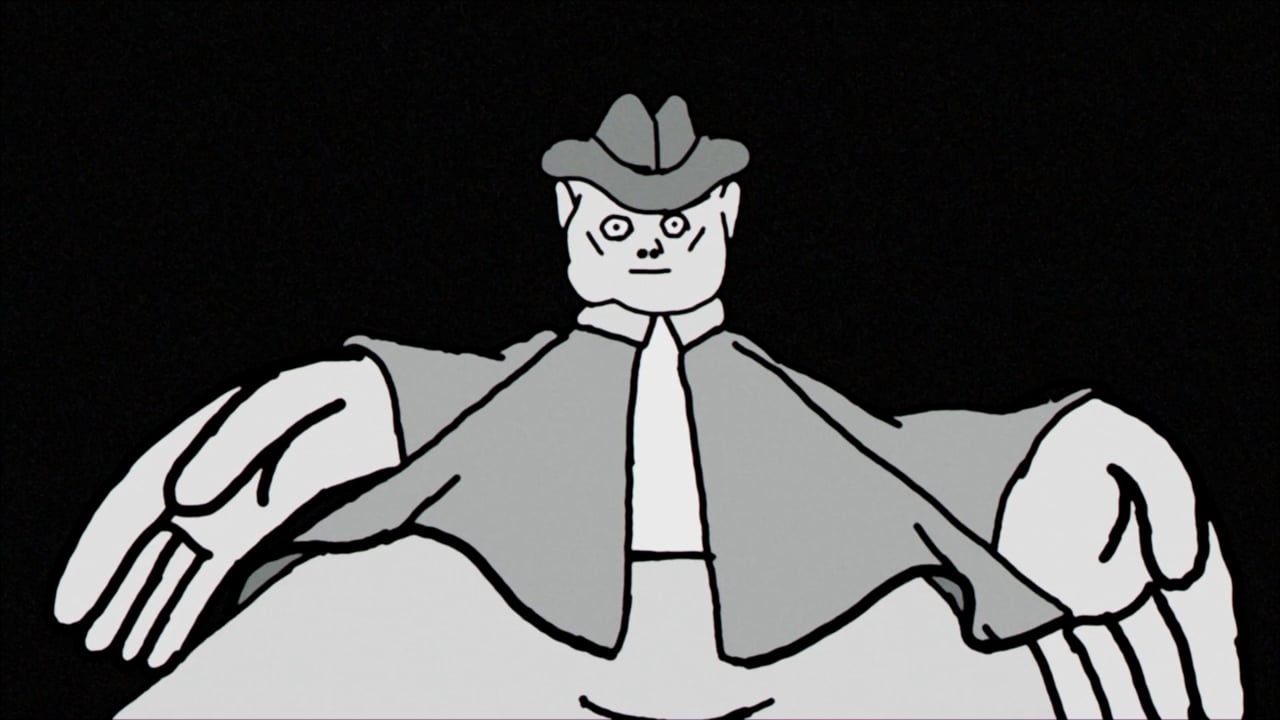
Based on first-person interviews and archival materials, this animated documentary brings back the glory days of Czechoslovak hockey — but also the dark moments from the year 1950. Chase follows not only the players’ personal fates, but also the transformations in society, politics, and culture taking place in the background.
-
Abstract Experimental
Čtverec
The short animated film by a collective of authors from the Animation and Film Studio at the Academy of Arts, Architecture and Design in Prague.
-
-
Documentary Family
The Fifth Floor
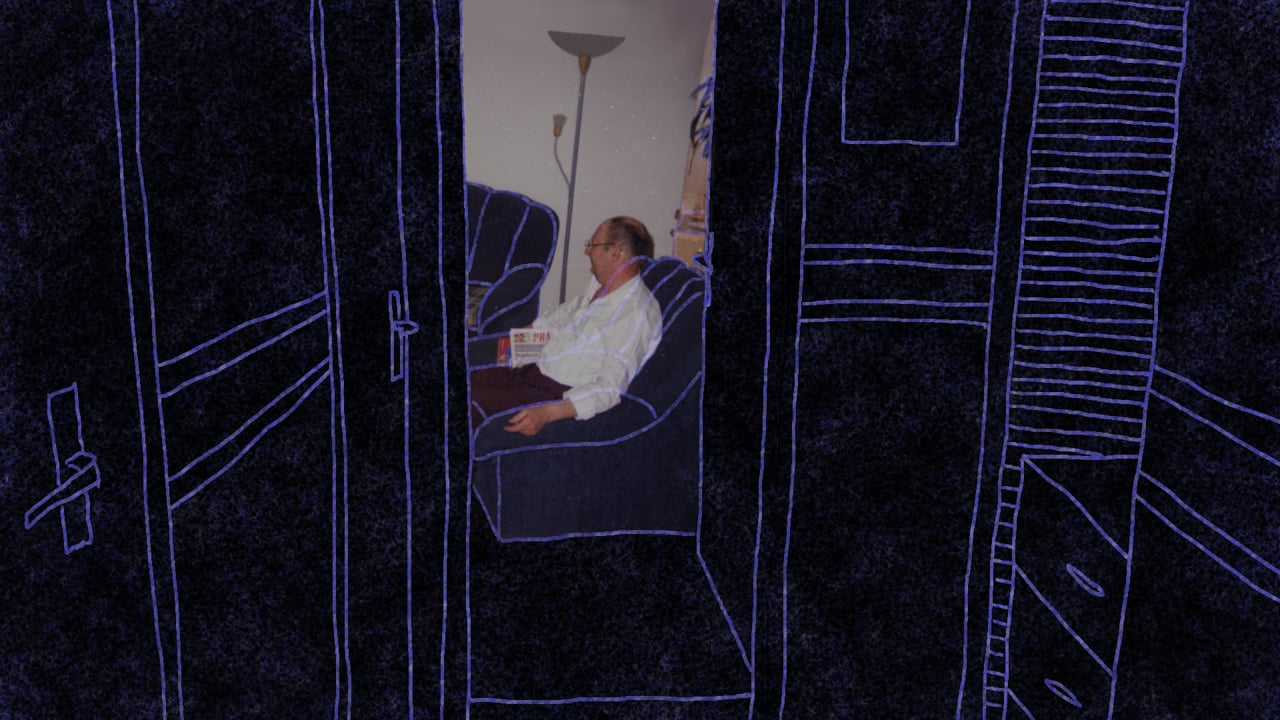
Through a repetitive nightmare, memories and old family videos, the space of the apartment and housing estate where the author spent her childhood is rebuilt right before the viewer's eyes.
-
Comedy
Bazén
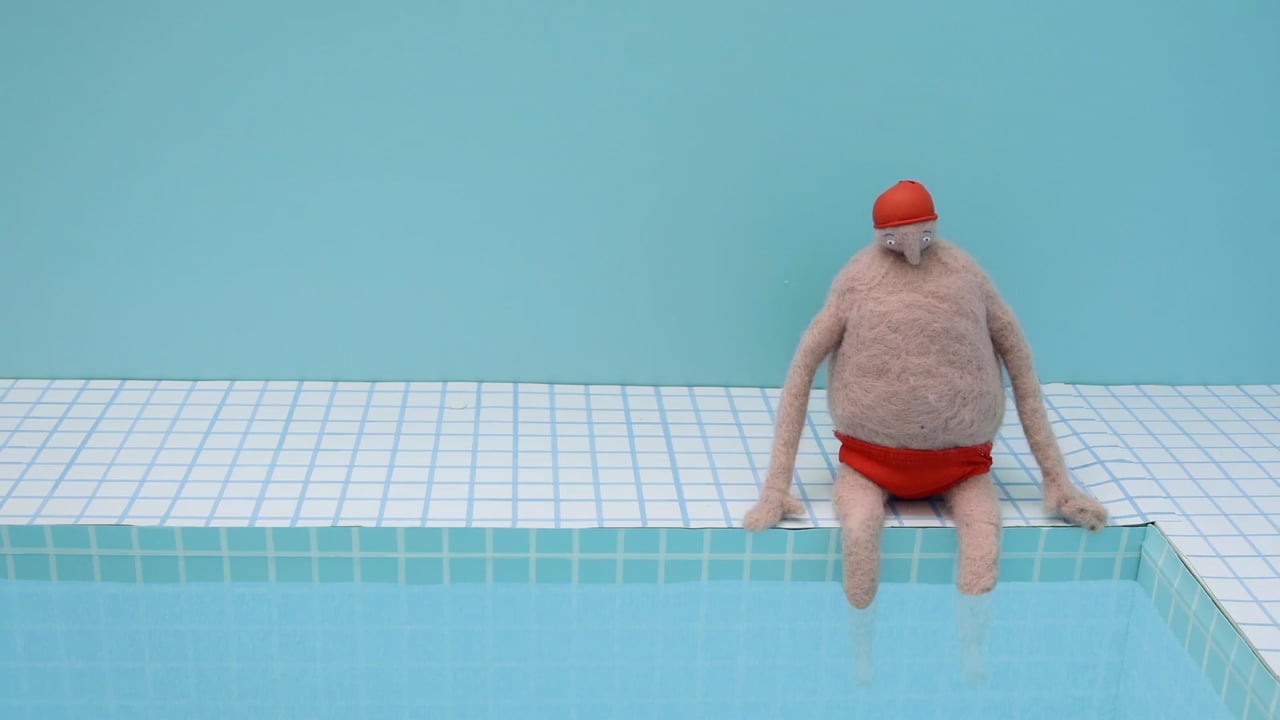
A grumpy cashier sternly warns visitors that locker keys must absolutely be returned, while a timid swimmer dreams of a spectacular swimming feat. A puppet film about fear.
-
Sci-Fi Comedy Experimental
Si ako slniečko?
An adrenaline-fueled story about friends reuniting in a world where things just happen. It all culminates in a shocking twist and a satisfying ending.
-
Experimental Fantasy Abstract
Pařezy
During a nighttime walk, two lovers stumbled upon a frog who clearly wasn’t looking for company. Lost in the wild beats of Johuš Matuš, the frog, its baby, and the rest of the forest party just hoped the uninvited guest would move along soon.