Frame by Frame: Exploring the diversity, transformation, and creative path of animation

“Animation is not the art of drawings that move but the art of movements that are drawn.”
These are the words of Norman McLaren, a Scottish-Canadian pioneer of experimental animation. He describes the world of animation through its essential characteristic – movement. As an artistic technique, animation can bring to life a wide variety of materials and the objects created from these materials. These become vehicles for emotions, moods, experiences, or narratives. Movement in animation can be achieved in various ways, such as through stop-motion animation, hand-drawn animation, rotoscoping, pinscreen animation, puppet animation, and many more. Animators also use a wide range of materials, such as sand, clay, glass, or wood.
The latest film collection, Frame by Frame, curated by Ema Nemčovičová, presents twelve films as an introduction to the art of animation. It showcases both traditional and innovative approaches and highlights the typical characteristics of animated films, such as variability, dynamism, impermanence, and ever-present precision. The collection aims to pay tribute to the pioneers of the world of film animation, but also to draw attention to techniques that open up new possibilities for understanding human perception. Many of the works confirm that animation expands the possibilities of the imagination and often facilitates the communication of complex and challenging themes of reality. So, if you’re looking for a way to get closer to animated film and discover its possibilities and limitations, Frame by Frame is the ideal starting point.
Freeze Frame (2019) by Soetkin Verstegen is the centrepiece of the collection, created using stop-motion animation. This is a demanding technique that creates the illusion of movement in inanimate objects through gradual and subtle changes between individual frames. In her film, Verstegen depicts the process of storing ice cubes as an everyday manual task performed by workers. The film is built on a fascinating paradox: on a narrative level, the characters tend to a rapidly vanishing material, while on a formal level, the stop-motion technique is employed – a method that achieves the impression of life and movement precisely through a sequence of frozen, static moments. The impermanence of the material, which requires constant care and holds together only under specific conditions, is thus directly embodied in the very process of filmmaking.
Other films in the collection also capture the unique qualities of materials through stop-motion. Owen Klatte’s Of Wood (2022) explores the role of wood over the course of history through a highly intricate and unique wood-carving animation. The film, which took four years to create, pays tribute not only to wood as a material but also to the craft of woodcarving.
In Chloé Van Herzeele (2019), animators Anne-Sophie Girault and Clémence Bouchereau use sand to tell the unique story of an elderly woman and her collection of silver films. The literal graininess and transience of the sand in each shot effectively reinforce the film’s themes of nostalgia and the preservation of memories.

The delicacy of the material is further brought to life in Barbara Rupik’s film The Little Soul (2019), which won an award at the Cannes Film Festival. Rupik animates using mixed media techniques such as claymation and oil-painted backgrounds. The Little Soul combines organic materials and textures, often achieving damp, glazed, even decaying imagery inspired by medieval religious paintings.
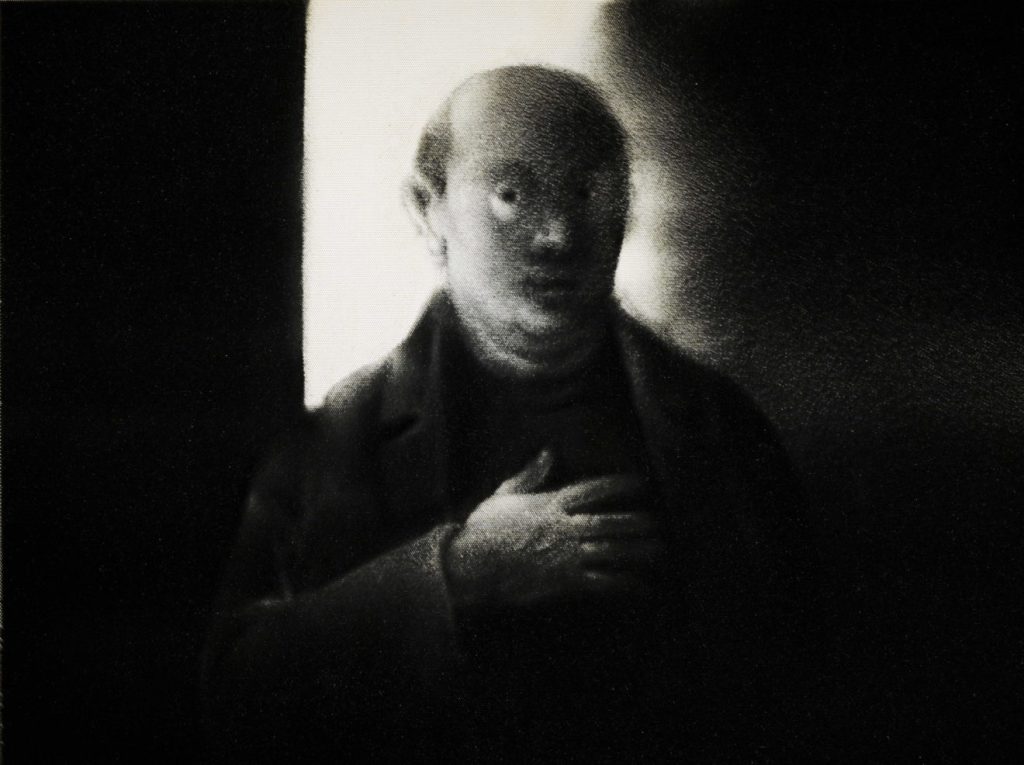
Pinscreen animation also requires patience and meticulous handling of the material; it is created on a board with thousands of retractable metal pins, which the animator uses to create moving images through their strategic positioning. The pins allow for a rich interplay of black-and-white tones and the creation of shadows. This technique was invented in the 1930s by Alexandre Alexeïeff and Claire Parker, who used it in their surrealist animations. In Michèle Lemieux’s film Le grand ailleurs et le petit ici (2012), pinscreen animation allows us to observe not only the expressionistic dynamics of light and shadow but also the alternation between abstract and realistic perspectives.
One of the most common animation techniques is puppet animation, which relies on the creation of figures and miniature landscapes, then bringing them to life through stop-motion. A wide variety of materials are used to construct these figures. These then become vehicles for the themes the filmmaker wishes to explore in the film. In her film The Burden (2017), animator Niki Lindroth Von Bahr examines human relationships, social expectations, and inner conflicts, which she reflects through animal puppets. She bridges the contrast between the demanding themes of the real world through the naivety of the animal characters, who present their ideas and fears dressed in human clothes and accompanied by musical numbers.
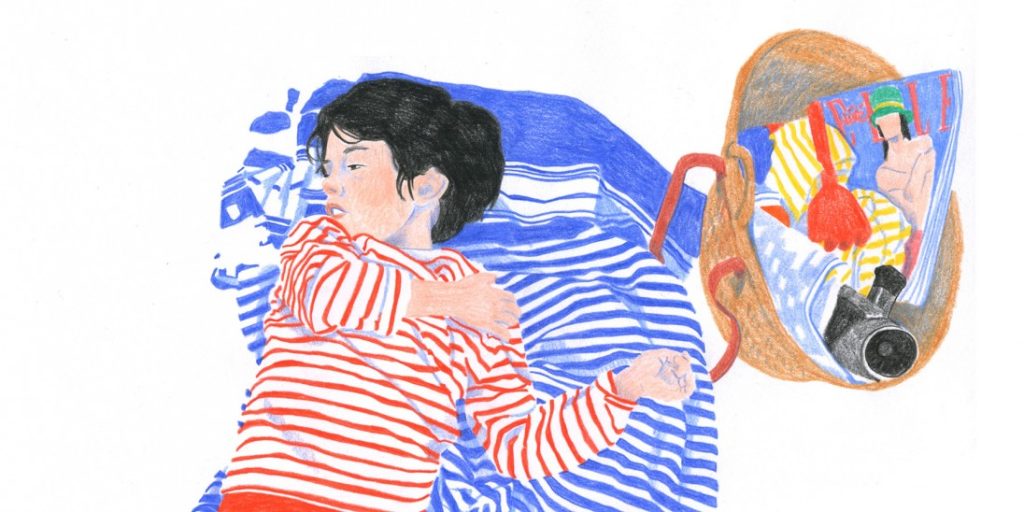
Another common practice in animation is rotoscoping, in which live-action footage is traced frame by frame to achieve accurate animation. Rotoscoping is sometimes criticized, as it does not require the same amount of work as other techniques. However, Mathilde Bedouet’s film Été 96 (2023) demonstrates just how complex and multi-layered rotoscoping can be. The film required two production phases. The first consisted of shooting the live-action footage, while the second focused on transforming it into animated form. The animation process was further divided into rotoscoping the characters and creating the background landscape, which was based on drawings by Fleur Pinsard.
Independent animator Don Herzfeldt is a pioneer in animation whose film Rejected (2000), nominated for the Academy Award for Best Animated Short Film, brings cartoon characters to life in order to challenge and satirize the world of advertising. This is a classic 2D animation created without the use of a computer. The creative approach is based on simplicity, directness, and literalism, through which Herzfeldt creates bizarre and unsettling moments.
A more sophisticated form of hand-drawn animation is presented in the film Epicenter (2022) by Hahm Hee-yoon, which is also part of the collection. Through this painstaking and time-consuming technique, the filmmaker blurs the line between reality, dreams, and imagination.
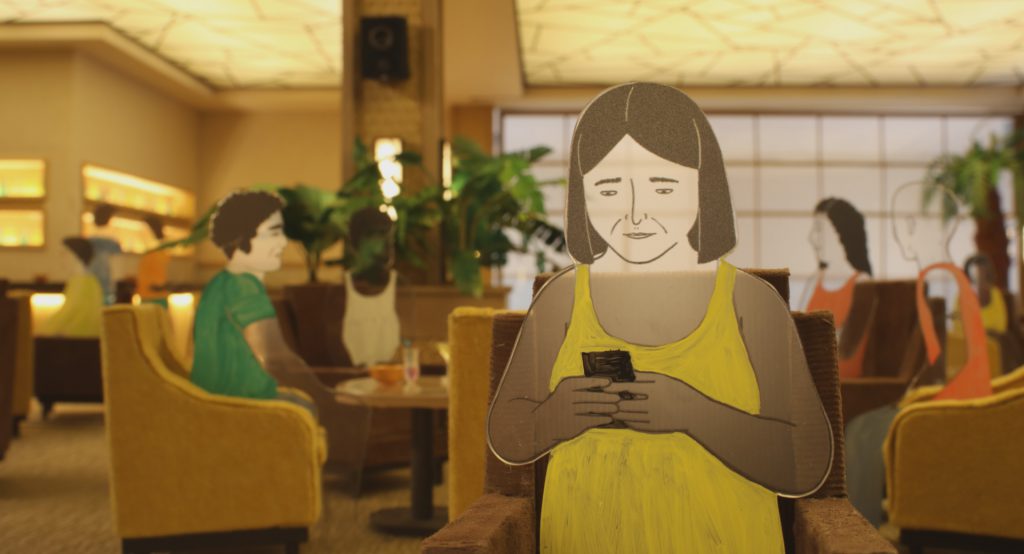
Innovations in animation can be found in several other films in the collection. The Miracle (2023) by Nienke Deutz features glass figures onto which the artist paints directly. This method allows her to reinterpret reality thanks to the material’s transparency and its interaction with light. In this film, Deutz chose this technique to explore the theme of solitude versus loneliness during a summer vacation.
It is also important to mention experimental works such as Steven Woloshen’s Perf Dance (2022). The film focuses on the unique nature of analog film stock, onto which Woloshen was among the first animators to draw directly. The creative process becomes especially challenging, as the film material is one of a kind and cannot be edited.
Eyes and Horns (2021) by Chaerin Im, on the other hand, combines several of the techniques presented – stop-motion photography, 2D animation, object animation, and printmaking. The result is a mesmerizing depiction of bodily physicality inspired by Picasso’s Vollard Suite. In this case, however, the painter’s etching technique was replaced by engraving on plexiglass.

There are many other approaches used in animation to bring objects and themes to life. The possibilities of traditional techniques are also constantly expanding, as demonstrated by the rise of AI. The curated collection Frame by Frame aims to highlight the diversity, interconnection, and transformation of animation as a creative path in the world of film.
by Romana Danková
-

Freeze frame: the most absurd technique since the invention of the moving image. Through an elaborate process of duplicating the same image over and over again, it creates the illusion of stillness. In this stop motion film, identical figures perform the hopeless task of preserving blocks of ice.
- Experimental
- Non-narrative
-

On August 15, Paul, his family and friends have their annual picnic on Callot Island but get trapped by the tide. Upset and caught between childhood and adulthood, Paul becomes aware of his individuality.
- Drama
-

In the spring of 1999, the Family Learning Channel commissioned animator Don Hertzfeldt to produce promotional segments for their network. The cartoons were completed in five weeks. The Family Learning Channel rejected all of them upon review, and they were never aired…
- Comedy
- Experimental
- Tragicomedy
- Making of
-
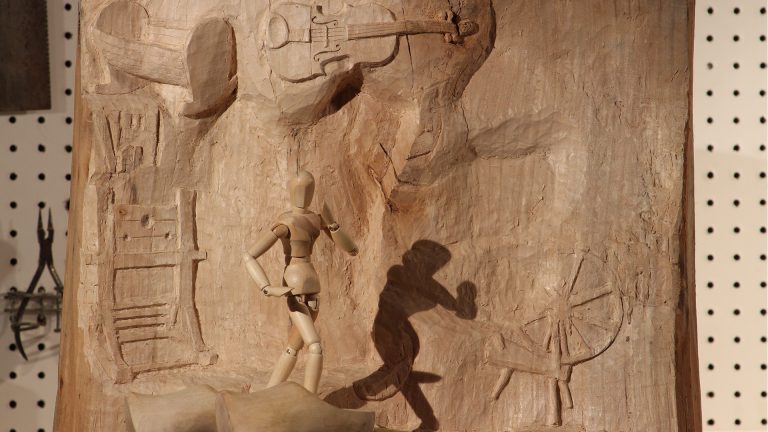
Thanks to its originality and the laboriousness of its animation technique, this unique film is probably the first, or at least one of the first films of its kind. Individual frames of the film, mapping the history of processing wood from the dawn of civilisation until the present were gradually carved into a single piece of wood. The wood-carving animation is supplemented by stop-motion animation of objects which fall out of the block of wood one by one.
- Experimental
-

Chloé, an old lady, organizes screenings in a subterranean space. She shows to a journalist her galleries where her collection of silver films is stored. As we go down, we dive with her into her altered universe.
- Drama
-

A visual reinterpretation of dance and animated found footage.
- Abstract
- Experimental
-
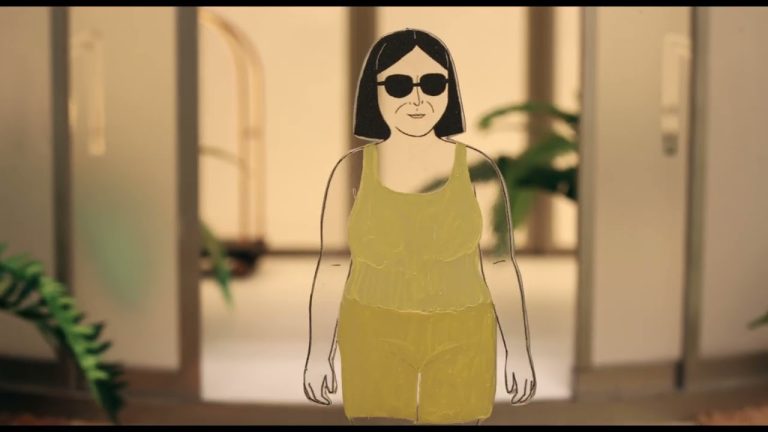
The Miracle, a place where the sun always shines, with endless opportunities to relax and food in abundance. But how do you relate to a place that constantly confronts you with the things you don’t have?
- Drama
-
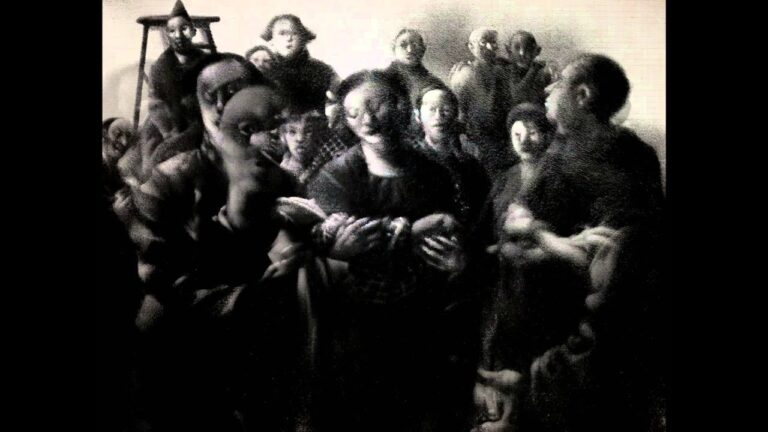
This abstract yet compelling philosophical tale uses the Alexeïeff-Parker pinscreen as a metaphor for the particles that make up the universe. Through 4 tableaux that explore her character's thoughts, filmmaker Michèle Lemieux takes a look at the profound reflections of this everyman, whose questions are part of humanity's eternal quest for meaning.
- Abstract
-
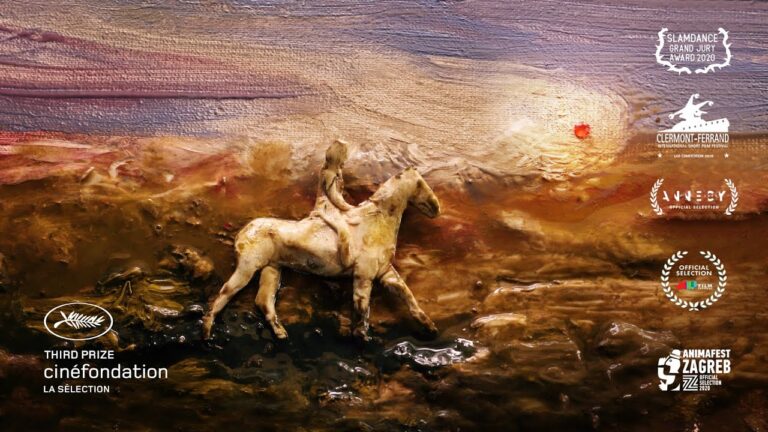
A dead body became stuck by a river bank. Its decaying insides still hide a human soul – a miniature of the deceased. Rotting organs part and a tiny creature gets out. Standing on the river bank, it says goodbye to the corpse and sets off on a journey through the post-mortem land.
- Drama
- Experimental
- Non-narrative
-
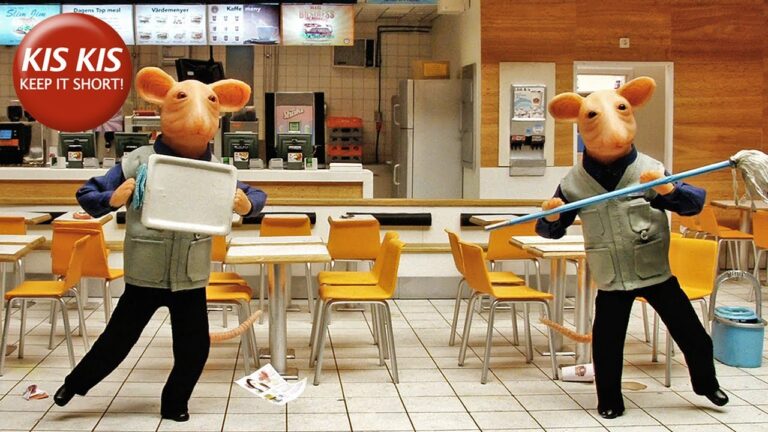
A dark musical enacted in a market place, situated next to a freeway. The employees of the various commercial venues deal with boredom and existential anxiety by performing cheerful musical turns. The apocalypse is a tempting liberator.
- Comedy
-
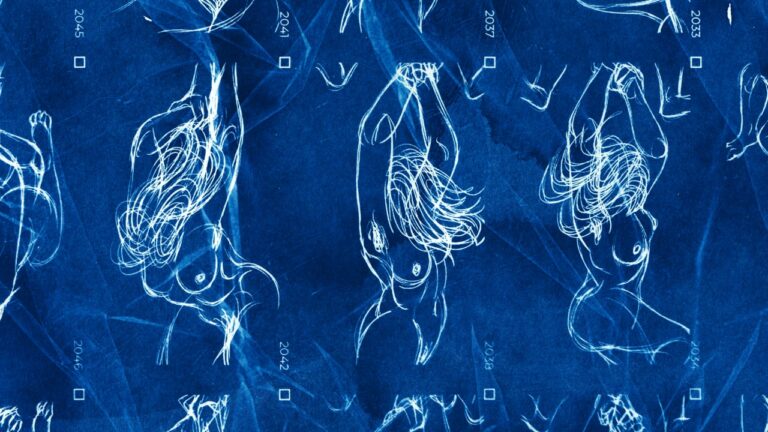
The exploration of masculinity begins with the Minotaur, a mythical creature the artist Picasso used to portray himself in his etching print series. The Minotaur goes through a violent struggle between being male and female. Finally, the lines blur, and the boundaries of sexes disappear.
- Experimental
-

An old man dreams about the Bukhansan Mountain perpetually covered with snow, while a young woman sees the mountain grows taller after an earthquake. Slowly, the worlds of fantasy and reality collide, exposing an invisible universe.
- Drama
- Fantasy