Martina Peštaj: When you offer children something truly good, they recognise it
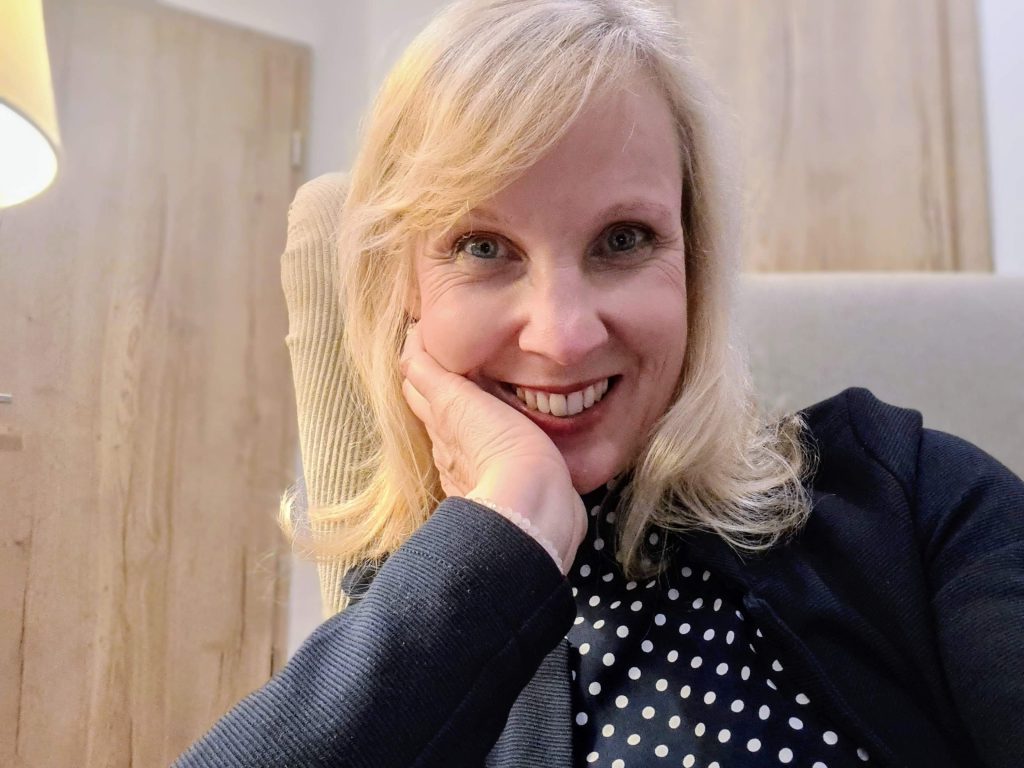
“In my childhood, there was so little competition that nobody even questioned whether animation was suitable for children. Today, this is widely recognised by everyone – creators, producers, and distributors alike,” says media psychologist Martina Peštaj. However, the children’s audience is not homogeneous, and there are significant differences among its many segments. That is why CEEA’s Animation HUB launched a rating system that assigns target audiences to the films available on the platform.
Martina Peštaj, a psychologist by training and at heart, has been actively involved in animation for more than twenty years. When she was invited by CEEA to help develop the rating system, she saw it as a unique opportunity to combine her two areas of expertise. “We have categorised the collection of titles on the Animation HUB by age group, as a guide to help audiences make their choices. The Hub serves as an example; people can also apply the system themselves.”
You’re the right person to introduce this rating system. You’ve been selecting children’s and youth programmes for Animafest Zagreb for about 15 years now.
Martina Peštaj: And another five years with the Animateka Festival! I am deeply grateful for these opportunities. They allowed me to watch more than 300 animated films from all over the world every year. Today, I am involved only in the final selections and in assigning films to the appropriate age categories. This keeps me continually fascinated by filmmakers who create for young audiences. Those who truly want to work for children carefully consider which stories they want to tell, how to tell them, and for which specific age group. Those age categories differ significantly from one another. When I finally put the programme together, I know I have strong material on my hands, and I want every child to see it.
Do you watch the films together with the young audience?
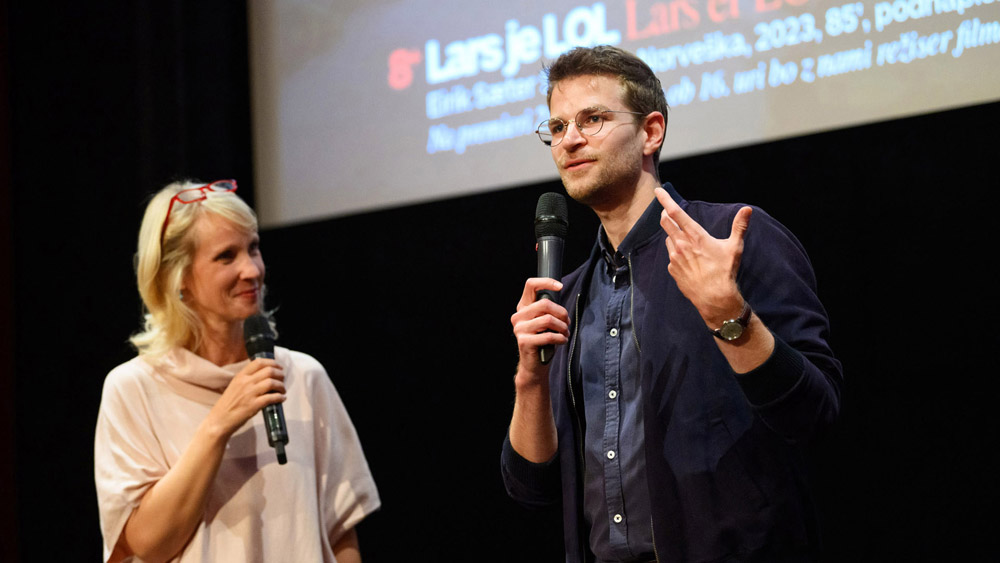
Peštaj: I always go to Zagreb to watch the programmes on the big screen, and over the years, I have moderated discussions with children at the Animateka festival. And after the screening, I stand by the exit to mingle with the youngsters and talk about every single film. When I hear their laughter and comments, I always feel that we did it right. Teenagers move me the most – they are the toughest audience, but when they come up to me with compliments, I’m always impressed by how mature and sensitive they are.
Did you notice any particular trends in this year’s selection?
Peštaj: The films are deeply affected by what is happening in the world. I’ve never seen so many dark films before; I saw a lot of fear, anxiety, bad dreams, and dark colours. Films reflect the spirit of their time – and that is exactly how it should be. Artists are sensitive observers of the world around them, and they communicate what they see and feel in their own way, through animation. When they manage to capture these feelings in a film that genuinely speaks to children, the result is something truly special and valuable.
Animation often struggles with this “only for kids” cliché.
Peštaj: In my introductory text on the rating system, I wrote: “Animation is often mistakenly seen as a genre created only for children. In reality, animated films are meant for a wide audience, yet some of them are crafted specifically for children and young people.” Having a child character in a story doesn’t automatically make it suitable for kids! This notion has been at the heart of my work for all these years. If you work for children, you need to know how to do it and be very precise about the target age.
Is that why you felt the need for a rating system?
Peštaj: I’m a psychologist by training. When I started working as a television programme creator, I was afraid I would have to give up psychology entirely. But when I first visited the festival Prix Jeunesse International in Munich, I discovered a field called ‘media psychology’ that connects developmental psychology with the creation of content for children. This rating system grew out of bringing together my two professional passions. I researched how kids at each developmental stage watch, understand, and emotionally respond to media content. While curating for Animateka and Animafest, I gradually developed an entire system based on age differentiation.
Is it about validating children’s content, or about protecting children from harmful content?
Peštaj: I approach it from a psychological perspective, and I hope my system works both ways: it should clarify for which age group a film works best, but it should also inspire artists who want to create content for children. I see it as a tool to help make even better films for specific target ages. Over the years, creators often consulted me: “I work for children, but I don’t know much about this age group and their psychological profile.” The standard reference literature is highly specialised, so I started combining elements from different books in a way that creators could understand. For this project, I gathered all that information – the results, systematically covering several categories (story & content, emotional sensitivity, design, and more) for each developmental stage, will now be published on the Animation HUB.
Is your method rooted in a historical or academic context?
Peštaj: It’s the result of many years of experience, research, and experimenting. When I started working in television, programmes were targeting children as a broad, homogeneous group. Nowadays, we have different shows for specific audiences. In Animateka and Animafest, I programme from a similar perspective. I’m also a huge fan of theatre and puppet theatre for children, and for 8 years, I was a selector for a Slovenian platform dedicated to quality theatre for young people. I watched around 50 plays a year, and it often made me sad that, despite all the effort and energy invested, many of those productions didn’t really speak to children. We organised lectures and workshops for creators and actors. Sometimes, afterwards, I would see a production that successfully reflected a thoughtful consideration of its target audience – their interests, wishes, and needs. Such experiences encouraged me to bring all this knowledge together and make it available. For one simple reason: to help create and recognise more truly quality content for young audiences.
Does it still make sense to do this in 2026, now that children have unlimited access to content?
Peštaj: Now that so much content is available, well-considered choices matter more than ever. Children have endless options, and their choices will almost always be influenced by commercial trends. However, and this is something I know from experience and that is confirmed year after year, if we offer children different kinds of content that is not necessarily the most obvious but is thoughtfully created for a specific age group, they will watch it and enjoy it. And that is what matters most. Through such content, children learn, feel, reflect, and develop their aesthetic sensibilities. This is incredibly valuable for their development. And this is not just a theory that I advocate. It is something I live and practice every day.
Can you give me an example?
Peštaj: I have two boys, 16 and 11 years old, who love to go with me to Kinodvor, a non-commercial city cinema in Ljubljana. When they were younger, they used to complain: “We always have to go to Kinodvor while all our friends are going to the commercial multiplex.” Nowadays, they ask: “When are we going to Kinodvor again?”
Your rating system can be applied to all genres. Does animation have something that other genres don’t?
Peštaj: It can turn any stories into something magical. That’s its real power. And when it’s done the right way, animation can create a kind of magic you won’t find in any other form of filmmaking. There’s nothing better for reaching children.
Are you now saying, again, that animation is just for children?
Peštaj: No, I’m not! But it’s wonderful to see how children experience the thrill of watching animation on the big screen. They can be incredibly attentive viewers; they notice everything. When you offer children something truly good, they recognise it. It helps me keep believing that even in this crazy world, there are still inspiring creators and children who are open to what they make.
The same applies to production in Slovenia.
Peštaj: We don’t produce a lot, but what we do have is very good. There are some excellent production houses, and it’s a pleasure to work with them. I feel a huge responsibility to support them, because it’s important to have animation produced in your own country and to allow creators to explore and express their ideas through this art form.
What is your earliest memory of TV animation?
Peštaj: There are two. I remember watching Tom & Jerry, not finding it funny. I was scared, and it wasn’t until I grew up that I understood the humour in it. My other memory is of the Czechoslovakian animation I grew up with. We were lucky. The legendary animation editor at our television station selected many remarkable animated films and series. This is a powerful reminder of how thoughtful curation of content can influence and shape an entire generation. Especially for the youngest viewers – preschoolers and first graders – animation is incredibly appealing. On our TV platform, children’s animation has the highest viewing rates, and kids watch those shorts again and again.
You are Head of Children’s & Youth Programme at RTV Slovenija, and you’re selecting animation for your programme. Public broadcasters have this official mission to inform, educate, and entertain. Do you feel that responsibility?
Peštaj: More than ever, and I take this responsibility very seriously. I choose both high-quality commercial animation and carefully selected independent films. I believe children need to encounter different visual styles, stories, topics, and ways of storytelling. This broadens their horizon, supports their development, and helps them grow into critical viewers, able to make their own choices about what they like, what they value, and why.
Any personal preferences as a programmer?
Peštaj: I have a soft spot for ‘specials’. I absolutely love them: Christmas specials, seaside specials, seasonal specials of all kinds…. The more, the better!
Gert Hermans
Photo credit: Martina Peštaj personal archives, Domen Pal, Katja Goljat, Animateka , Sebastijan Borovcak