Can animation and music be the perfect match?
What happens when music meets animation? Can they be the perfect match, or does their combination sometimes fall flat? Animated music videos can guide us through the lyrics, but they can also serve as a bridge to the emotions conveyed by the song. However, it is debatable whether the presence of animation always pushes the creative boundaries of music, or whether it merely repeats what the music itself has already communicated. Curated by Ema Nemčovičová, Animation HUB presents a selection of animated music videos that are worth watching and reflecting on. In this section, you’ll find classics such as Daft Punk and Radiohead, as well as more niche artists such as P/\ST and emory. This section won’t just introduce you to new tracks for your playlist; it will also broaden your perspective on how different animation styles can be combined with music and lyrics.
The emergence and rise of music videos are closely linked to the launch of MTV in 1981. Music videos thus became a much more common choice in the 1980s, enabling musicians and record labels to promote specific tracks and bring them closer to listeners. MTV also helped pave the way for animated music videos. Michael Patterson and Candace Reckinger, the animators behind A-ha’s Take On Me (1985) video, recall their fascination with MTV, which also inspired the creation of what would become an iconic music video. Combining rotoscoping with live action was highly unusual in music videos at the time. The video was regularly broadcast on MTV for over a year. As the animators recall: “At the time, people used to wait for their favourite videos to appear on MTV, so they would spend a lot of time watching!”[1]
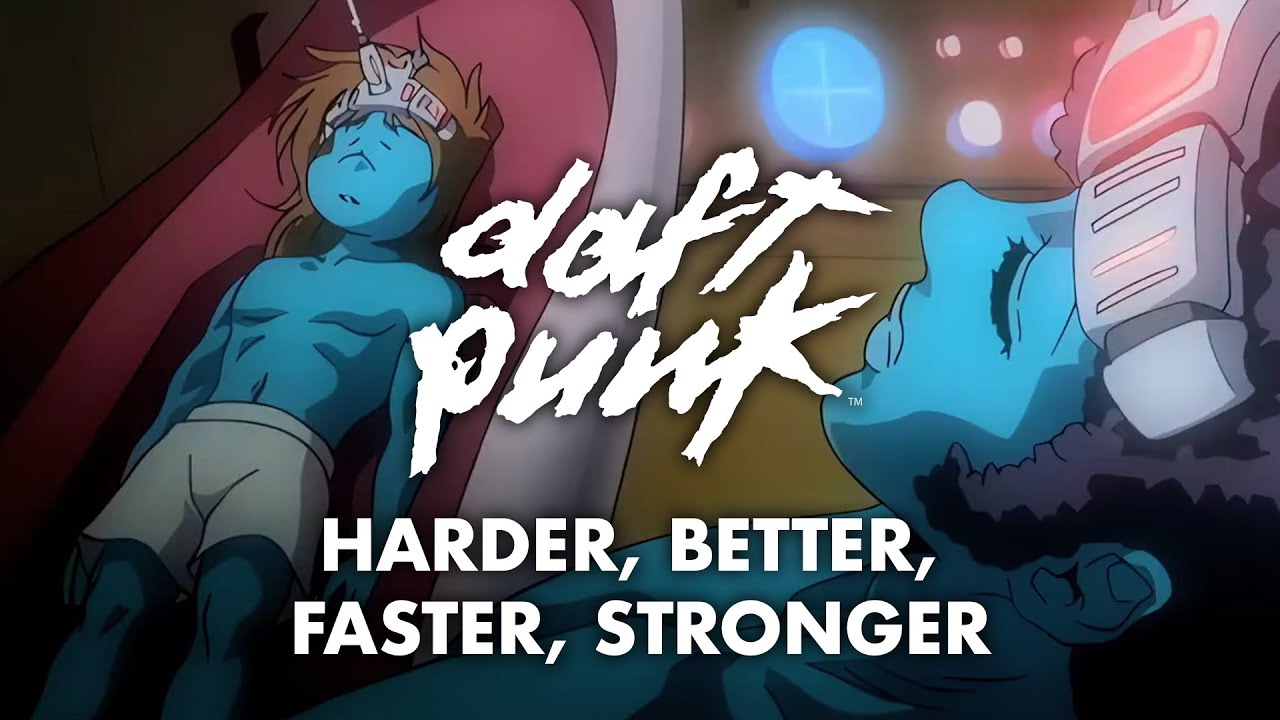
In animated music videos, storytelling that reflects the song’s lyrics is frequently a central element. In such cases, animation helps us interpret the song. This is the approach taken, for example, in the music video for Daft Punk’s song Harder, Better, Faster, Stronger (2001), directed by Kazuhisa Takenouchi. The electronic vocals and robotic wordplay are cleverly complemented by an animated story about an alien band whose members are transformed into humans. The music video is part of the anime musical sci-fi film Interstella 5555: The 5tory of the 5ecret 5tar 5ystem (2003). The animated film also served as the accompanying visual for Daft Punk’s second studio album, Discovery, bringing its music to life through a complex animated world centred on extraterrestrial life.

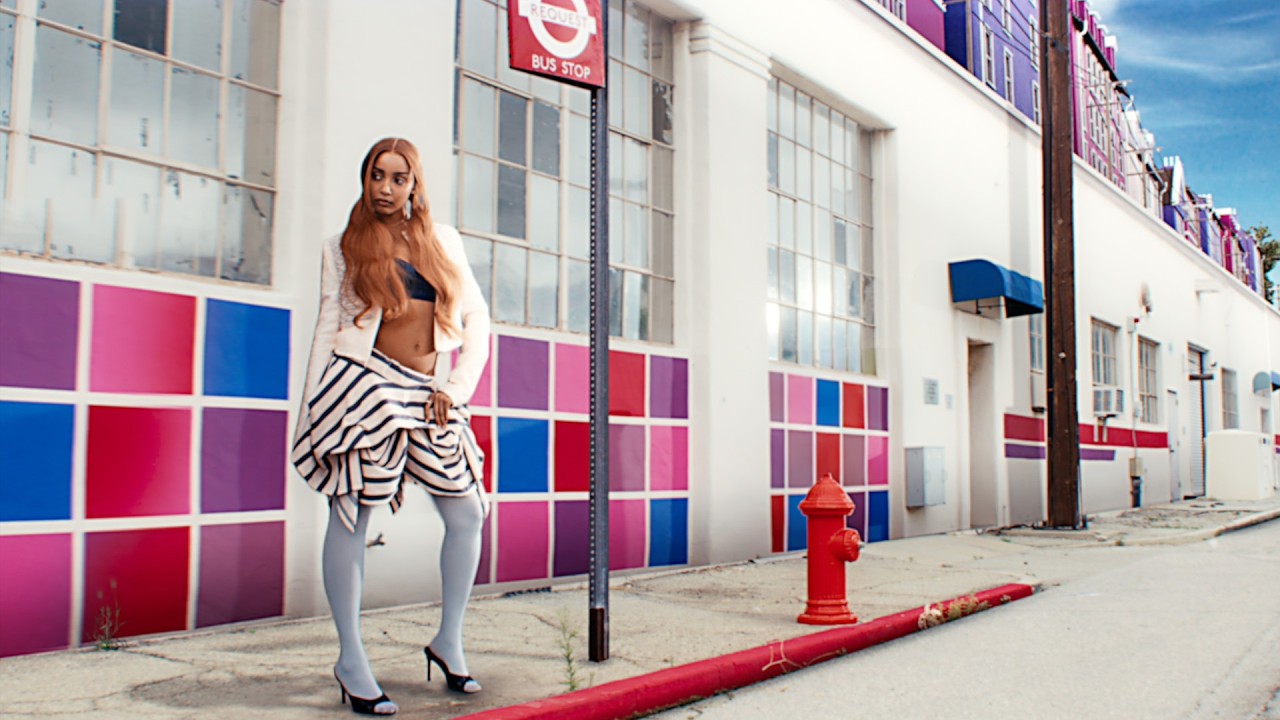
Through animation, music can also break free from the constraints of reality. In the case of the music video for PinkPantheress’s song Girl Like Me (2026), directed by Laurie Lotus, this is achieved primarily through a dynamic animated background. Animated buildings, buses and staircases shift through rhythmic editing, emphasising the stereotypical yet playful aesthetic of 2000s London, an important influence on the singer’s work. In this case, the use of animation isn’t exactly groundbreaking; it simply serves as a refreshing touch.
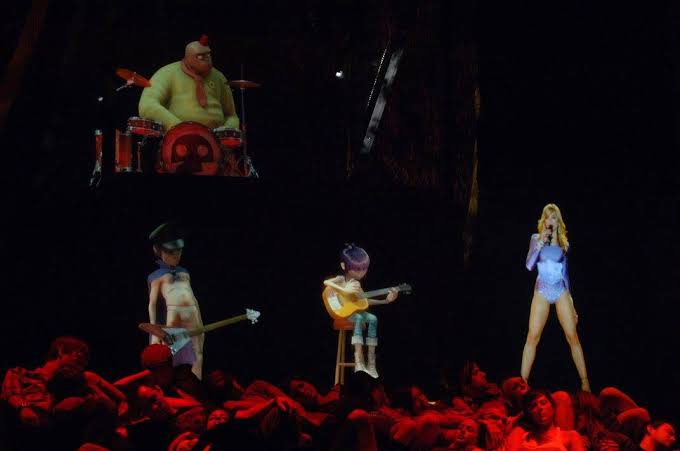
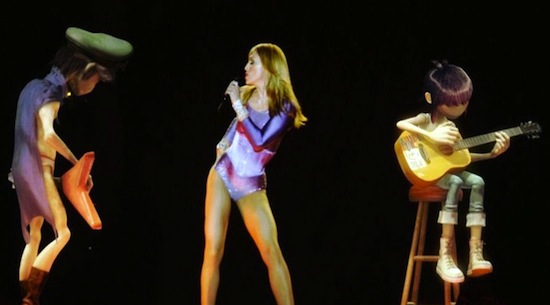
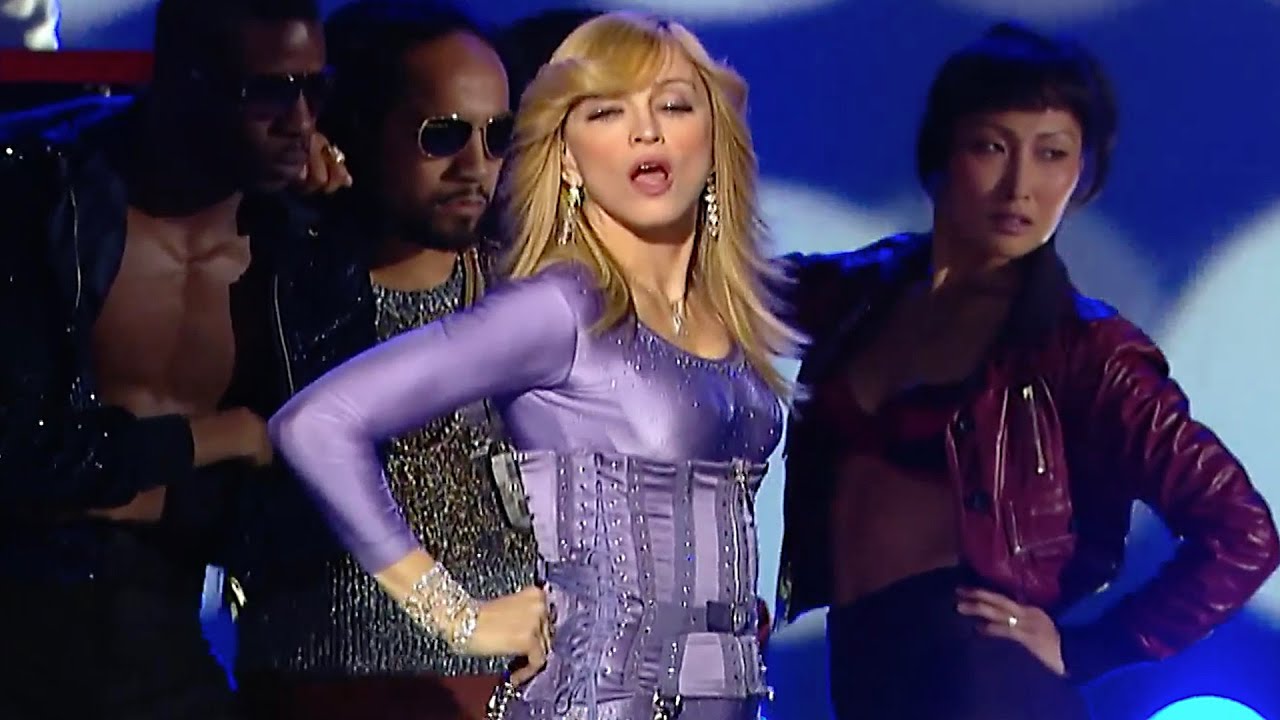
Animation also added a twist to the Madonna performance at the 2006 Grammy Awards, where she shared the stage with animated members of the virtual band Gorillaz. Here, animation served not only as a bridge for the collaboration but also unlocked new creative possibilities for mainstream award ceremonies.
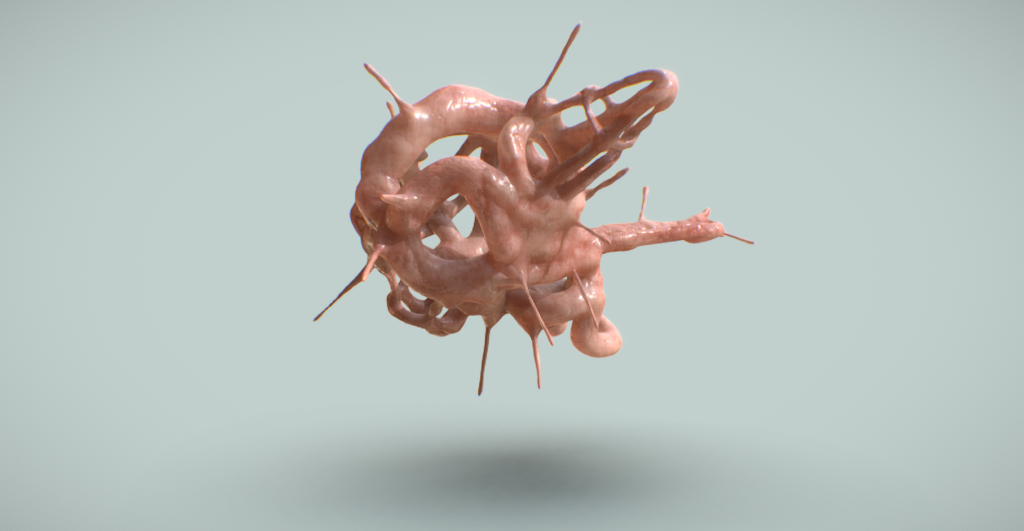
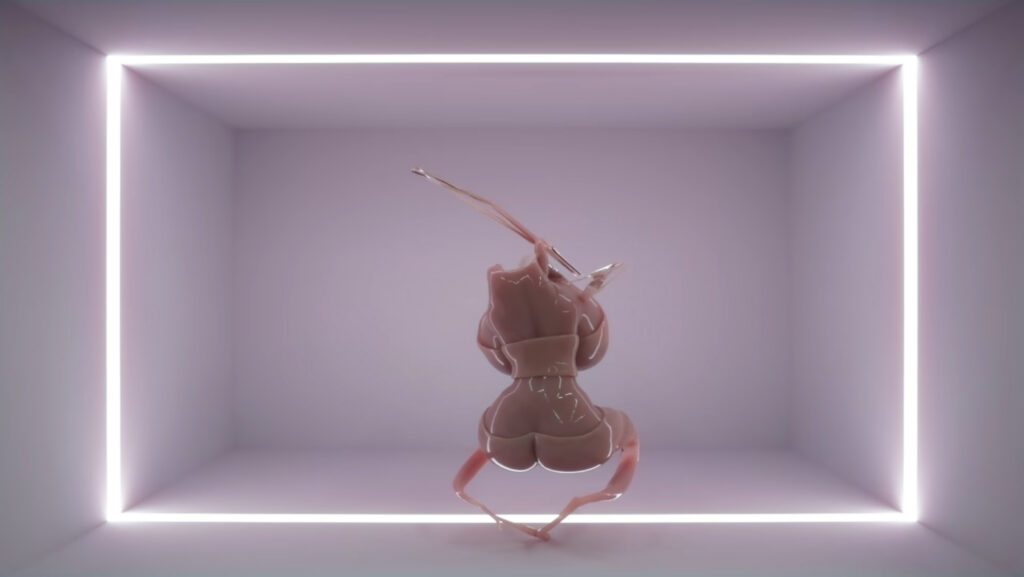
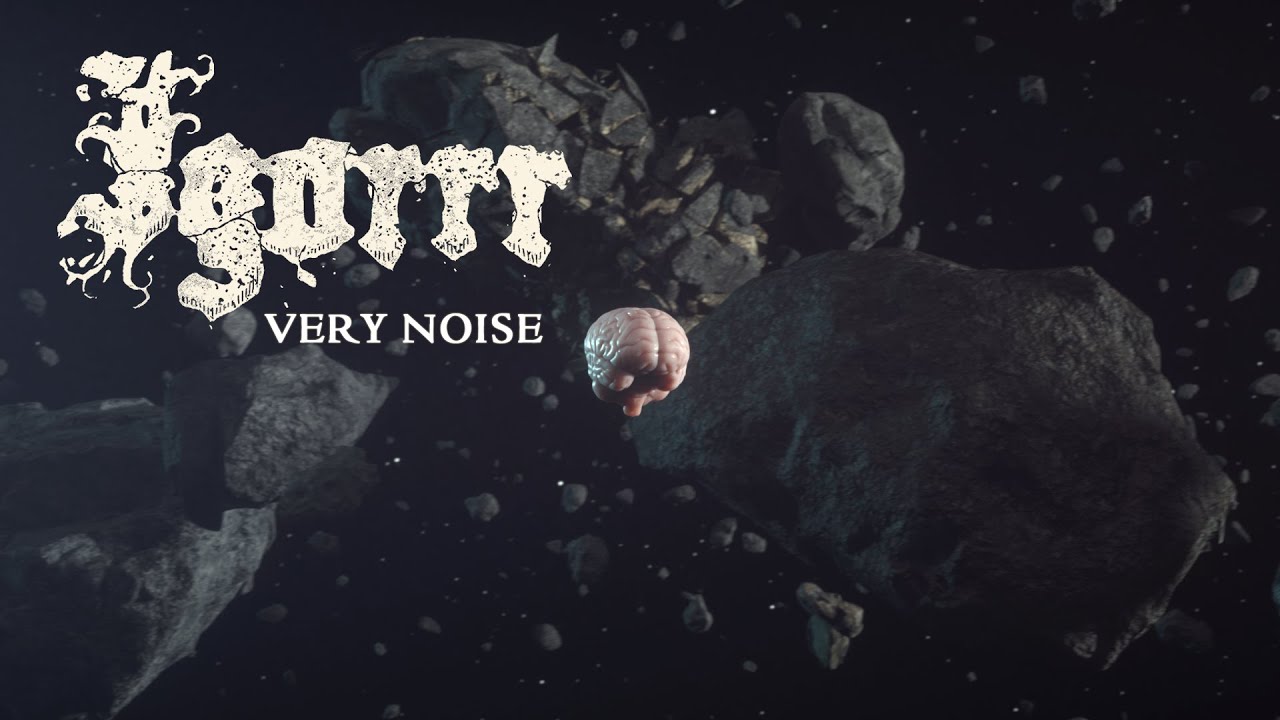
Music can also draw on animation when seeking to express specific emotions present in a song. This is made possible by the choice of animation technique, the editing pace or the colour palette. We might, however, ask whether, in such cases, animation brings something new to the music, or whether it merely replicates it precisely. In the music video created by the artistic collective Meat Dept. for the track Very Noise (2020) by the experimental band Igorrr, surreal 3D animation creates a disturbing, even overwhelming atmosphere. This is due not only to the heavily chopped beats but also to the bizarrely hyper-realistic textures and movements of the animated figures.
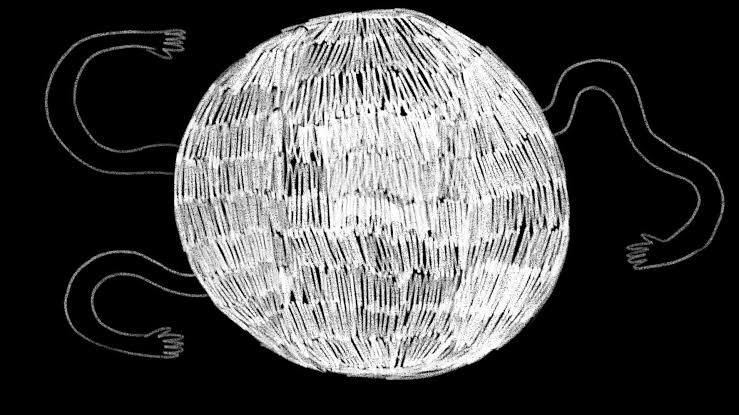
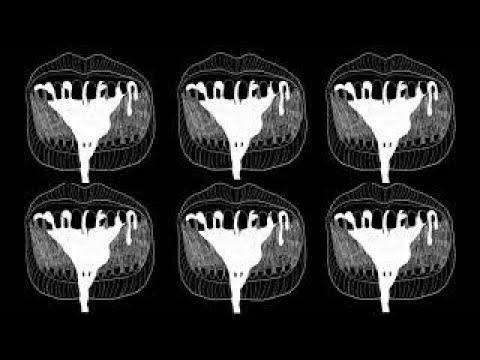
Feelings of frustration, disappointment and emotional distress are clearly communicated in a minimalist music video by Bety Suchanová and Nora Štrbová for the song Tíseň (Distress) (2020) by the band P/\ST. The hand-drawn 2D black-and-white animation is just as direct as the raw and forceful rap. Together, they reflect the unrelenting fears surrounding the current political situation, as expressed in the lyrics.
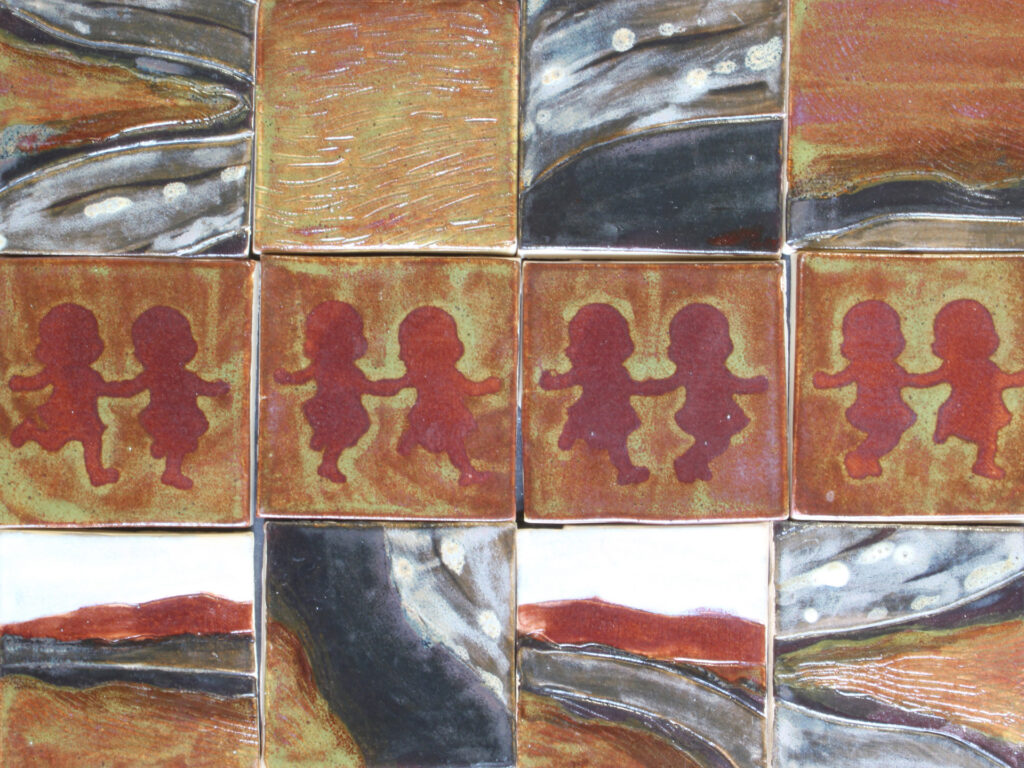
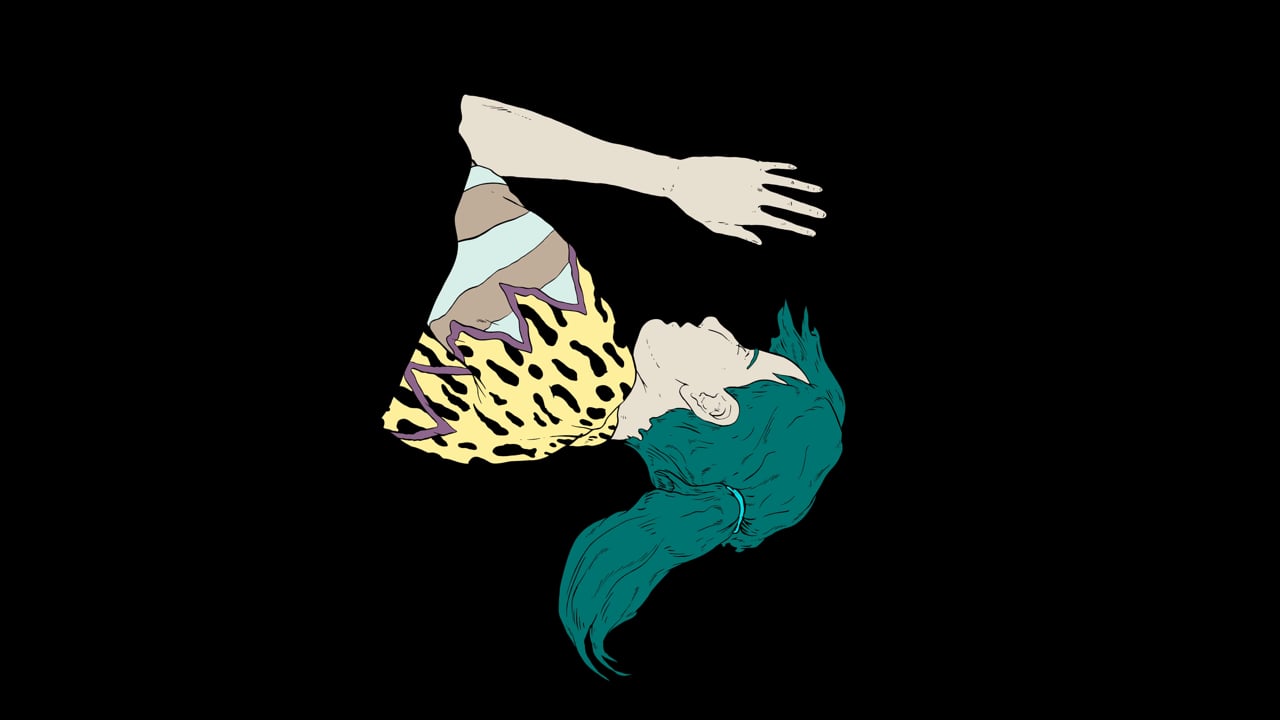
Animation can also capture more intimate feelings in music without expressing them directly. In the music video for the track dirt by emory (2025), the creator, Julia Fernandez, used tiles to sensitively align the visual narrative with the song’s lyrical and musical nuances, thereby capturing the fragile beginnings of a romantic relationship. For three months, the artist swapped 12 tiles frame by frame, waiting each day for the perfect daylight to stream through the window. The earthy and pastel colours, glossy glaze and the dreamlike motifs on the individual tiles serve as a sweet finishing touch to this personal and introspective track.
In our latest collection, you’ll find these clips and many more. You can explore for yourself how the animation complements the music, whether the combination works, whether you connect with it and, if so, what effect it has on you.
Discover the collection below!
WHAT HAPPENS WHEN MUSIC MEETS ANIMATION?
-
Music video Sci-Fi Experimental
Basement Jaxx – Where’s Your Head At (Official Video)
Video of Basement Jaxx – Where's Your Head At
-
Music video
Daft Punk – Harder, Better, Faster, Stronger (Official Video)
Official Music Video for “Harder, Better, Faster, Stronger”, taken from “Discovery”
-
Music video
Madonna – Hung Up (Live at the 2006 Grammy Awards with Gorillaz)
You're watching the 2006 Grammy Awards live performance of “Hung Up” featuring Gorillaz. Original song taken from Madonna's album 'Confessions on a Dance Floor' released on Warner Bros in 2005.
-
Music video Experimental
Parov Stelar – Jimmy´s Gang (Official Video)
Official video of Parov Stelar Jimmy´s Gang
-
Comedy Music video
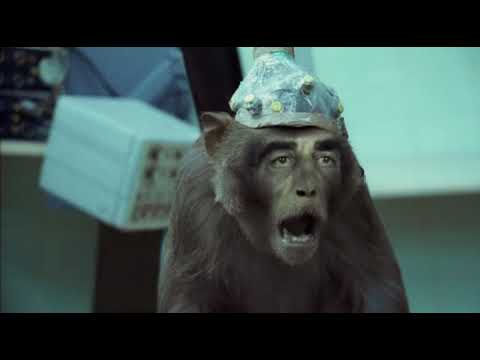
Radiohead – Paranoid Android
‘Paranoid Android’ is taken from ‘OK Computer’ out on XL Recordings.
-
Music video Romance Experimental Dance
PinkPantheress – Girl Like Me (Official Video)
The Official Video for ‘Girl Like Me’ by PinkPantheress.
-
Music video
Cécile McLorin Salvant – D’un feu secret
Cécile McLorin Salvant performs “D’un feu secret,” Michel Lambert’s 1660 air de cour, from her 2023 album, Mélusine. The album features a mix of five originals and interpretations of nine songs, dating as far back as the twelfth century, mostly sung in French along with Occitan, English, and Haitian Kreyòl, that tell the folk tale of Mélusine, a woman who turns into a half-snake each Saturday after a childhood curse by her mother. Video animated by Amanda Bonaiuto in Brooklyn, NY, with assistance by Kohana Wilson.
-
Music video
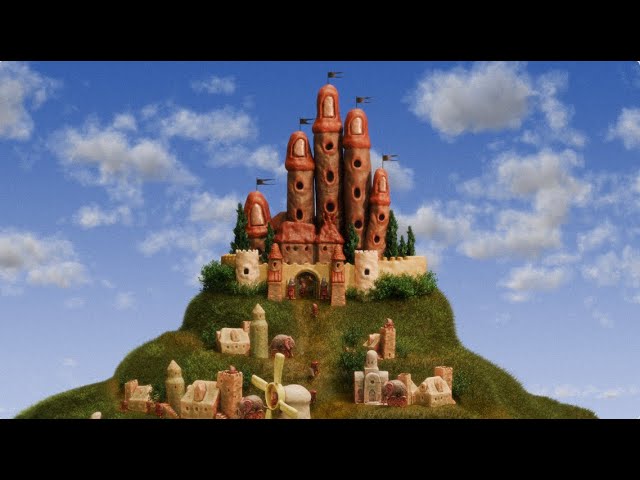
Bremen Entertainment Inc. – Castle
Animated Music video for Bremen Entertainment Inc. and their single 'Castle' from the Album 'The Great Bremen Show'.
-
Music video
P/ST – TÍSEŇ
A surreal, black-and-white animated music video for the song Tíseň of Czech rap duo P/ST.
-
Music video
Igorrr – Very Noise
Music video for Very Noise, track number 3 from the album "Spirituality and Distortion" from Igorrr.
-
-
Music video
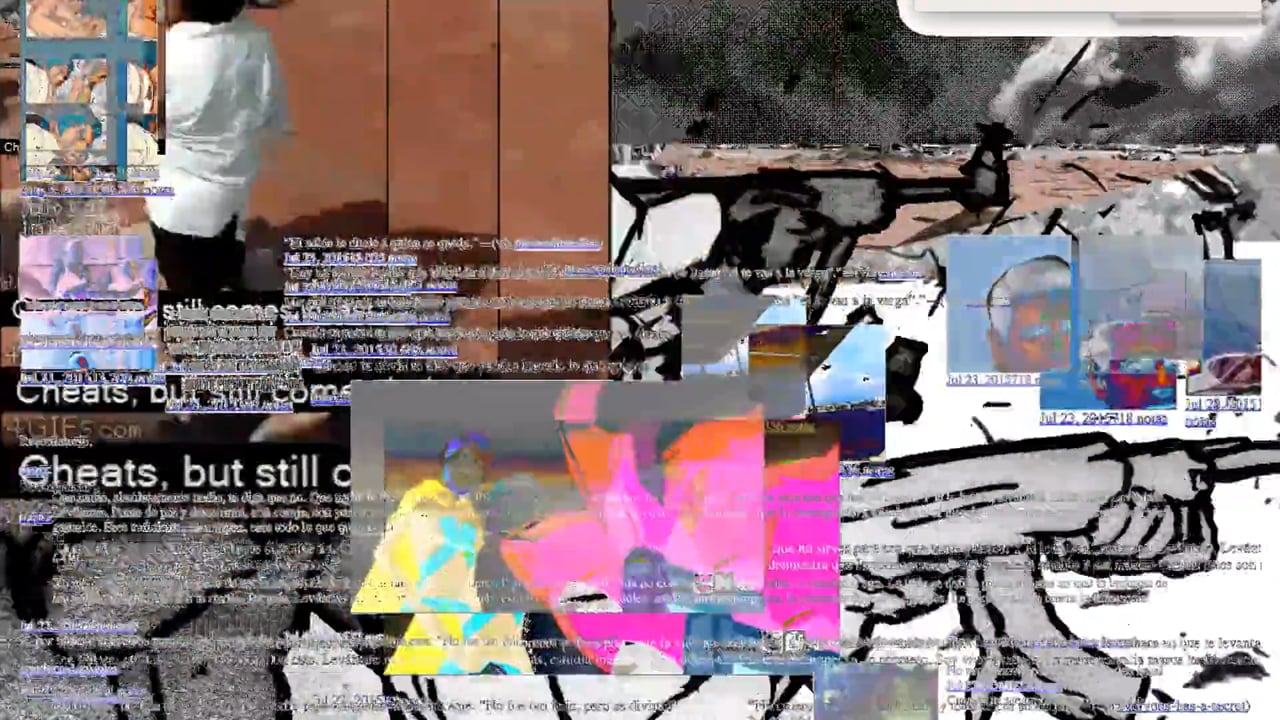
Los Viejos – Amnesia en el Estado
Music video for Mexican band Los Viejos's song Amnesia en el Estado.

[1] ZAHED, Ramin. Take On Me: Revisiting the Making of A-ha’s Trailblazing Animated Music Video. Animation Magazine. Pub. 5.4.2022. Available from: https://www.animationmagazine.net/2022/04/take-on-me-revisiting-the-making-of-a-has-trailblazing-animated-music-video/