
A music video for Nevermen who consists of TV on the Radio’s Tunde Adebimpe, Faith No More’s Mike Patton and Doseone.
- Music Videos
- Experimental
- Non-narrative

Tag
A music video for Nevermen who consists of TV on the Radio’s Tunde Adebimpe, Faith No More’s Mike Patton and Doseone.
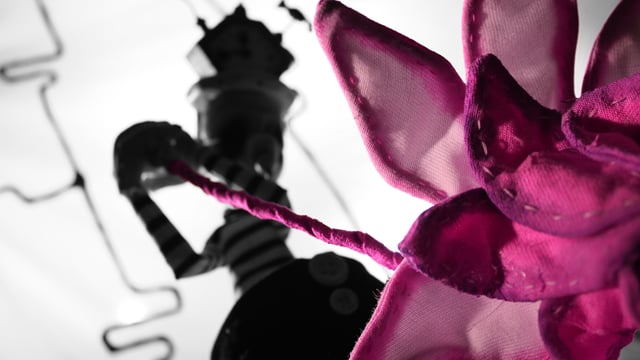
In order to maintain his ordinary, routine life, a creature must make the journey in to a strange living world.
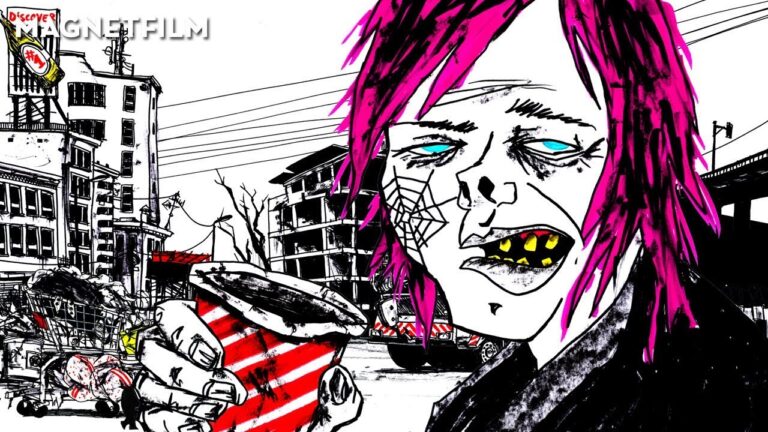
The awkward hero stumbles over a long forgotten piano. Music leads him from his rund down existence out into the city life. There he plays a last funeral march to all the deadbeat figures on the sidewalk.

In Never like the first time! four different people tell us, in their own words, what it was like to lose their virginity. The diverse experiences recounted in the four different animated stories, some tragic and some comic, are told by both the teenagers and the old people that appear in the stories and they all have one thing in common – it is ”never like the first time!” The people behind the voices remain anonymous and they explain sincerely how significant losing their virginity was to them.
A short film by Václav Blin.
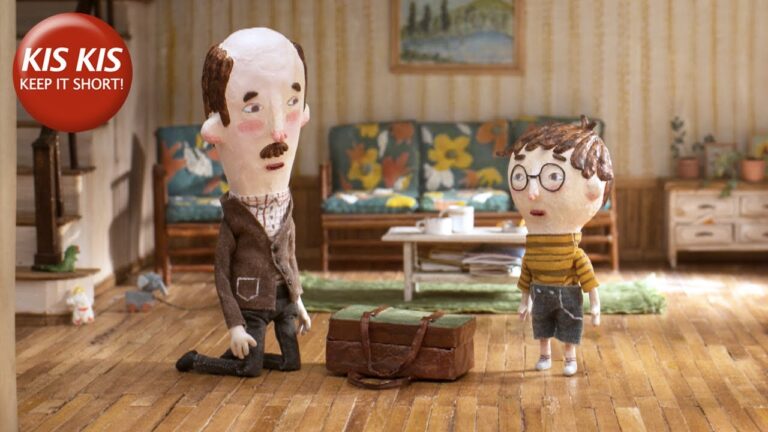
Even though Sam’s father is hardly ever home because he is often away on business trips, he is able to connect with his son by teaching him how to pack a suitcase.

The director interview with Natasha Cetner.

Mark has just lost his job and his day is about to get a whole lot worse. A domestic tragedy exploring the surreal nature of losing someone you love.
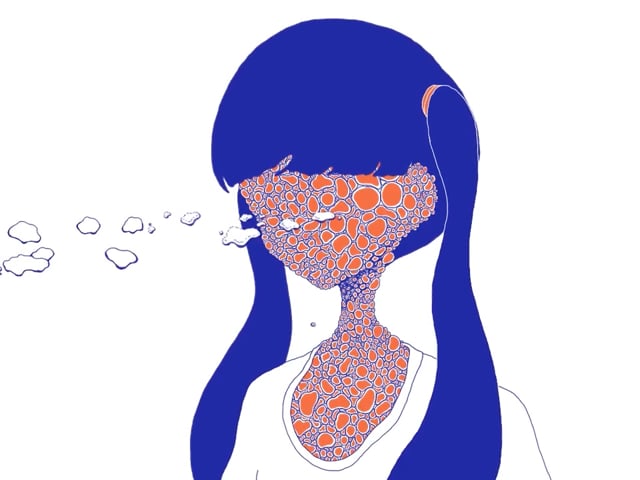
I was playing basketball until I entered college. During a basketball game, when I stole an opponent’s ball and attacked in haste, I felt my body started moving as fast as an army brain. I still get this feeling sometimes, even now that I no longer play basketball.
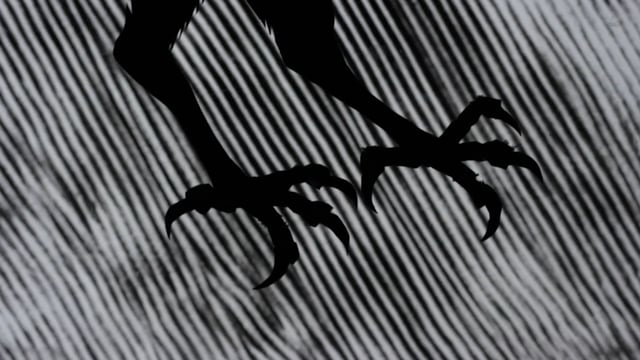
Follow a crow’s flight into the city of Johannesburg. A music video done with sand animation and silhouettes inspired by the Afrikaans poem ‘By alle skone dinge’ (To all things beautiful).
Somewhere in Eastern Europe due to an accident in a laboratory, the hero gains superpowers that he does not want. The hero does not want to be a superhero, to save the world from villains, he wants to live as before without changing anything. The situation is complicated by the fact that while he gains the awareness of his power, it causes problems in his everyday life. While he is stuck in the elevator, he meets a girl who likes him and wants to help him.

Creatures from Greek mythology live their lives and solve problems in the present world.
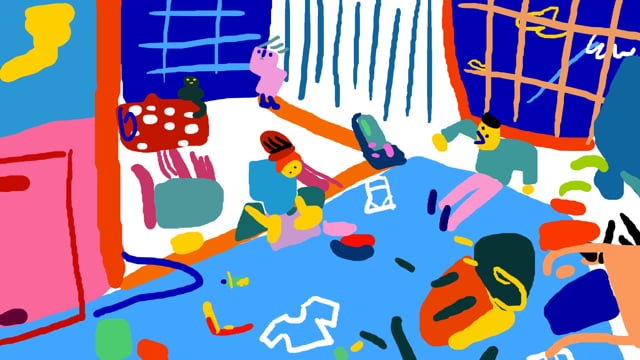
Based on a real conversation we had with Juan Molinet before leaving Japan. Mixed up memories about our visit to Tokyo, Hiroshima, Miyoshi, Naoshima and Kyoto.
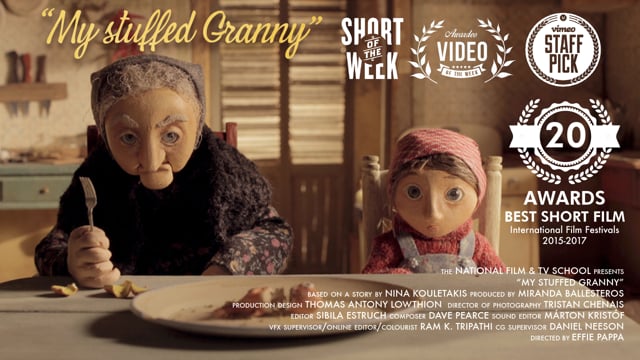
Little Sofía loves her grumpy granny: even though she is always hungry and eats what little food they can buy. Her pension is the only thing keeping her and her father alive. To what extremes will they go to once granny is no more? Based on a story by Nina Kouletakis.

A film about the relationship between a young woman striving for professional success and her eccentric brother. The main character is a workaholic who devotes her entire life to her job. She believes that this is the only right path and, even though it does not make her happy, she stubbornly sticks to her position. Her older brother has a completely opposite attitude to life and, seeing how his sister lives, tries to convince her to change. He often behaves eccentrically, embarrassing his sister in front of her colleagues and slowly making her life miserable. At some point, the sister has had enough of her brother’s insistence, which leads to frequent arguments and eventually to a breakdown in contact.
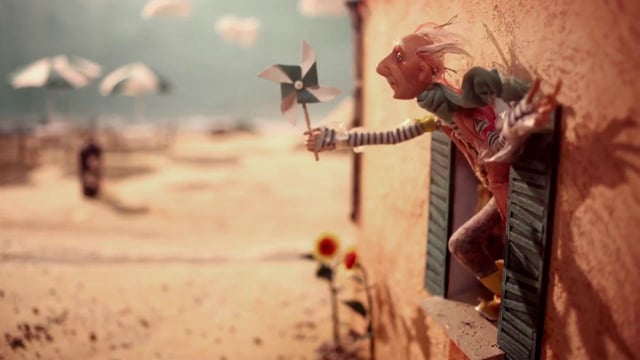
A creative person often seems weird, funny and a little bit crazy. Even his friends and family do not always understand him and often feel ashamed of him. But sometimes he can create a real miracle – merely from garbage.
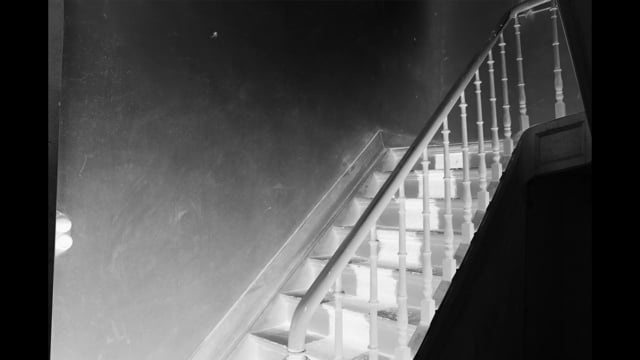
An unoccupied house, a treasure trove of memories for the director, is captured at a major point of change.

An adaptation of the poem ‘My mamma is bossies’ written by Jeanne Goosen. A melancholic poetry film in black and white with sand and silhouettes. About the loss of a mother and a flawed relationship between daughter and child. Inspired by Jeanne Goosen’s eponymous poem, recited by the well-known South-African actress Elize Cawood, to the aria O mia babbino caro from Puccini’s opera Gianni Schicci, in a legendary performance by Maria Callas (1955).
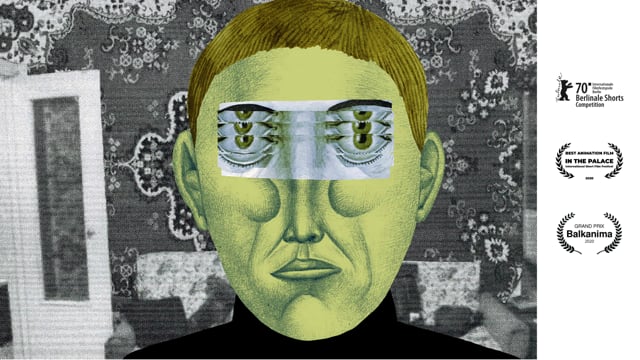
Good and evil, utopia and dystopia, narrative and post-narrative collide in a mortal battle to entertain the audience.
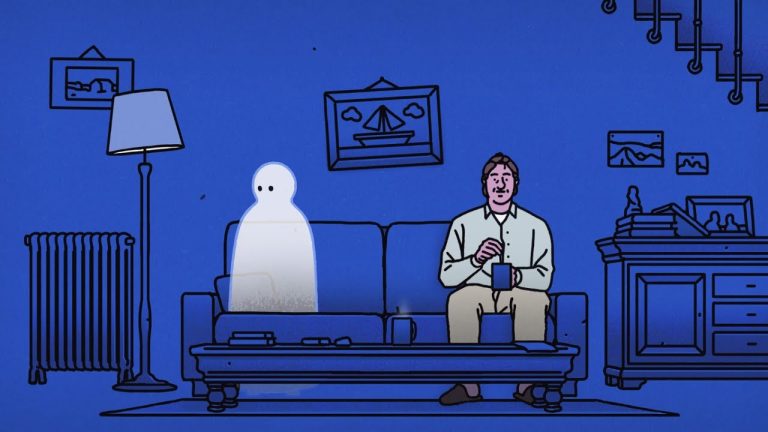
A ghost loses their memory after being struck by lightning. They meet Arthur, who tries to help them.