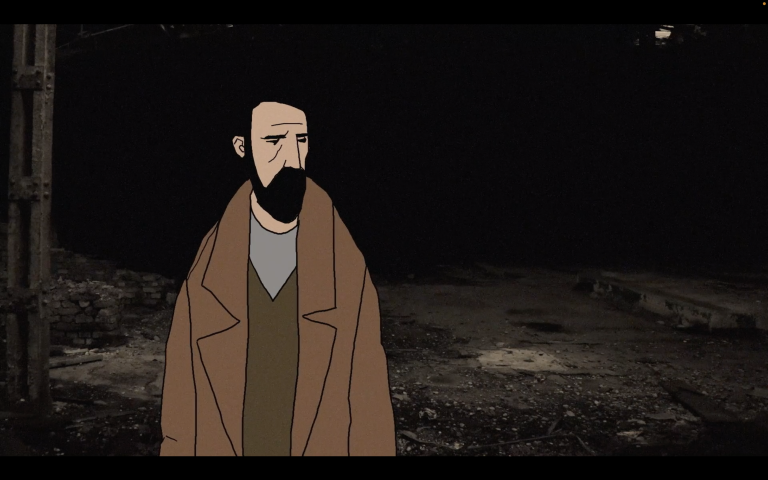
A father takes his son on a trip to an abandoned factory where he once worked. A seemingly small symbolic act turns into a moment of catharsis and introspection, re-establishing the relationship between the father and son.

Sound designer
A father takes his son on a trip to an abandoned factory where he once worked. A seemingly small symbolic act turns into a moment of catharsis and introspection, re-establishing the relationship between the father and son.
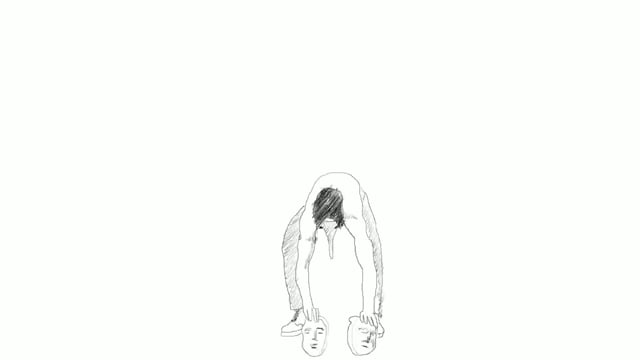
The story of a man who is wishing for a feeling of freedom. A man is in a dungeon and as the only way out into freedom he sees artistic expression, dancing, acting and painting, but when he stops, the artist finds himself in the dungeon again, til one day a girl knocks on his door. We realise it is his daughter who wants to walk with him, and that the man is not in a real dungeon, but an ordinary room. He takes the daughter’s hand and they step out into the sunny nature, free and happy. His daughter saved him from his personal dungeon.

A film beyond the eyelids. In one word: a trip.
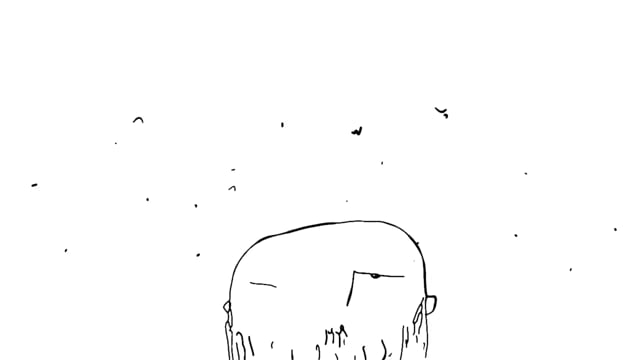
What is this force that defies gravity, a force so powerful that drives plants to reach up and imbues us with the strength to sail against the current? If we let go to its upward motion, it carries us to a wonderful ease. Raise your sail and catch the leeway…

Simple questions do not always get a simple answer.
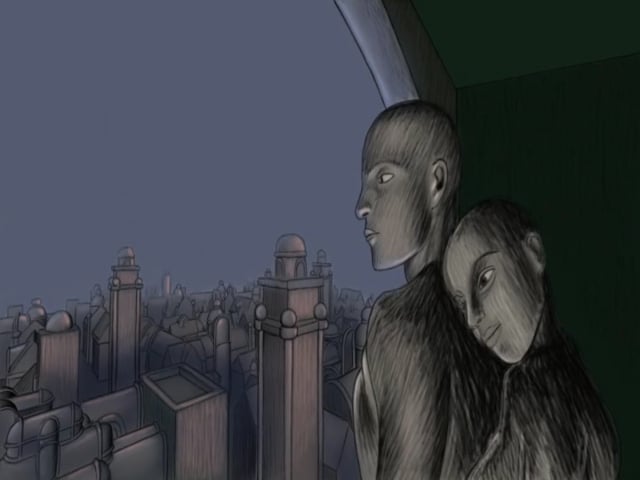
This is a film about identity loss in the totalitarian world of computer technology. In a meeting between a human and an artificial being, we can witness the creation of biomorphic reality.

What happens when the dream takes control over reality?
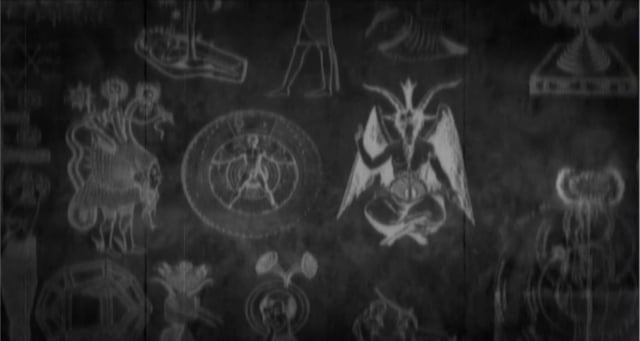
The film tells a story about dualism, about the man’s nature of destroying everything around him, as well as his desire for immortality. The puppet on a bike performs the theatre play Faustus in which a man sells his soul to the devil.
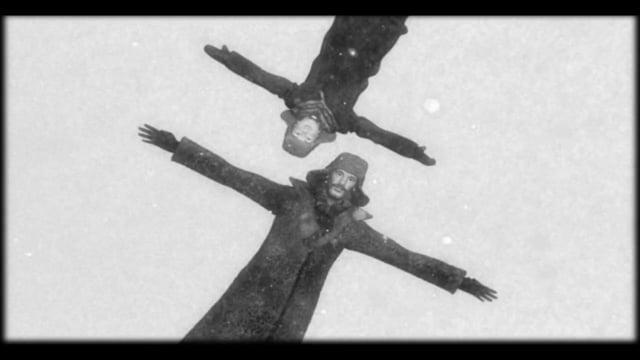
Three diffferent stories about a relationship between a father and son, taking place in different social milieux.

Film is based on Miroslav Krleža’s The Ballads of Petrica Kerempuh, one of the capital works of Croatian literature. We are drawing parallels between ancient and modern time to emphasize that the masses were always oppressed by tyrants.
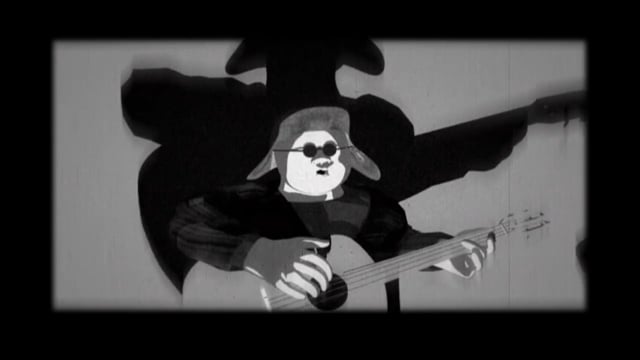
The film is based on a poem Ciganska, written by Miroslav Krleža, one of the greatest Croatian literary authors. The atmosphere, the complex surreal characters, and furthermore, the choice of an austere Krleža’s poem (1936), shows authors have made an aware reference to German expressionism. That way they have focused on depicting the psyche of characters, particularly stressing out ultimate angst, alienation in urban jungle, or baffling drive for self-destruction.