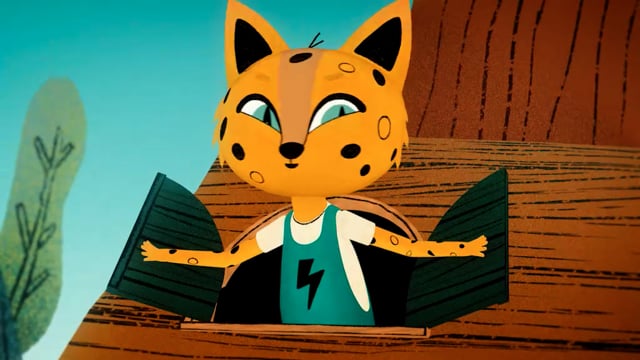
Five forest cubs explore the secrets of the world and especially the most important one – FRIENDSHIP.
- Adventure
- Family
- Pre-school

Technique
Five forest cubs explore the secrets of the world and especially the most important one – FRIENDSHIP.
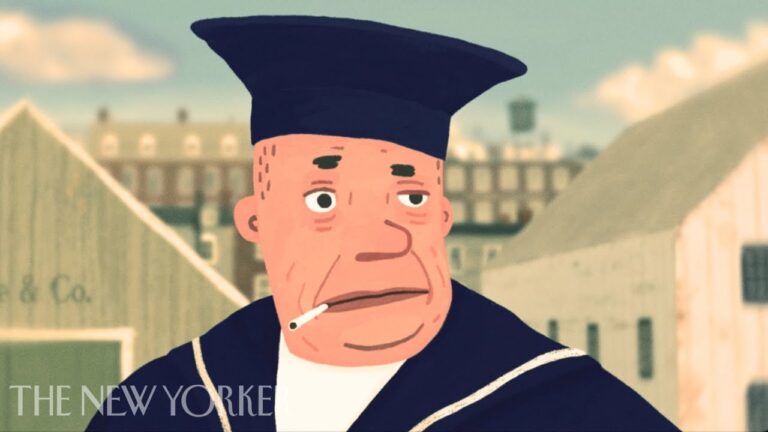
In a short film by Amanda Forbis and Wendy Tilby, two ships collide in a harbor, sending a passing sailor skyward as he contemplates the wonder and fragility of existence.
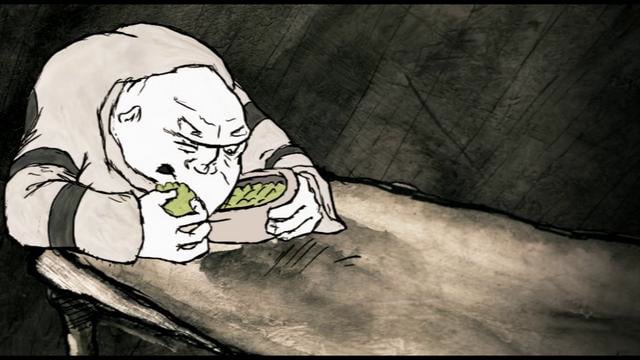
This is the story of Alfonz, a prisoner, and a little fly sharing his cell. At first, they try to destroy each other — Alfonz with his mighty muscles, the fly with her clever mind. But their struggle soon leads them to realize that if they join forces, together they might just bring down the whole system.

A film about the relationship between a man and a fly in which the aggravating persistence of the fly grows into an obsession with the man and becomes a veritable monster.

One day a humble fisherman catches an enchanted fish. Can the fish help him, and his wife improve their lot? The Flounder is an adaptation of the Brothers Grimm tale ‘The Fisherman and his Wife’.
It is a musical fantasy about the awakening of nature and the character from winter hibernation, about the way out of its own world, into a world which is full of beauty and adventures.
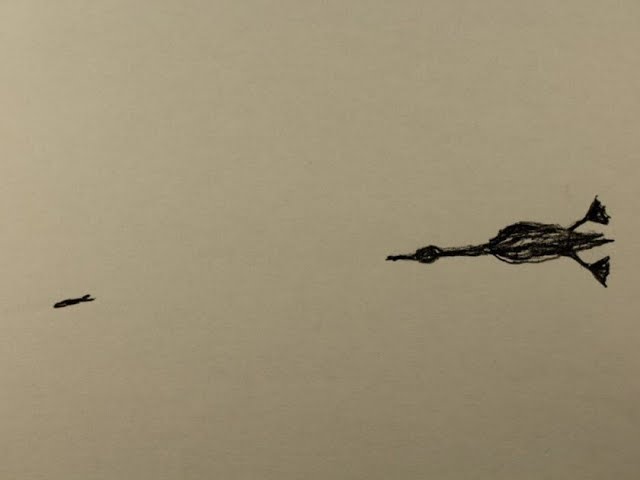
The story revolves around a cormorant bird, who is a symbol of being split between two worlds. Just as people can live between two worlds, so can the cormorant, who is a bird living the life of a fish . Such life is not impossible, but the cormorant still has to surface to get some air and has to dry its wings.

A short cartoon, humorous about human stubbornness, which is shown through the play of a harmonious quartet and the indestructible bugger of the trumpeter.
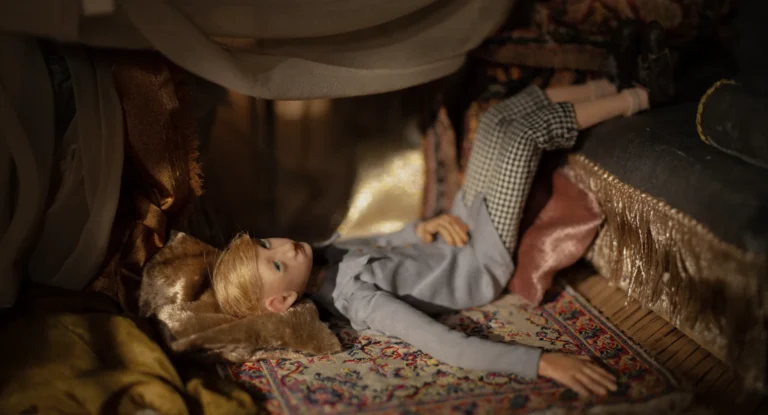
As Austro-Hungary teeters on collapse, Andras and his daughter are taken aback by the visit from Andras’ brother, Zoltan, who comes accompanied by his large family.
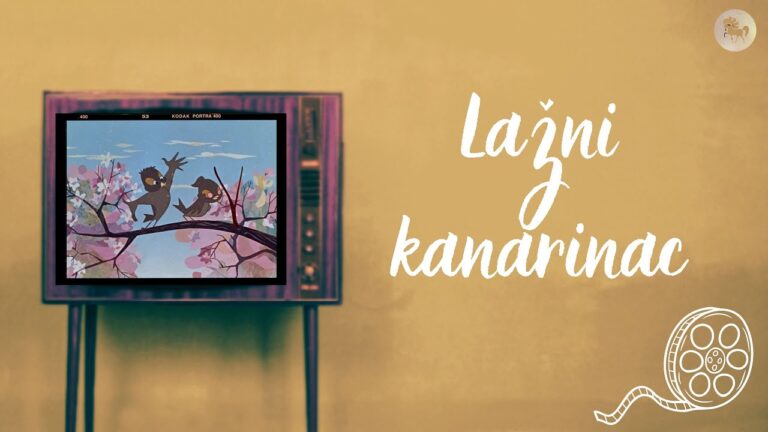
The short animated film The False Canary.
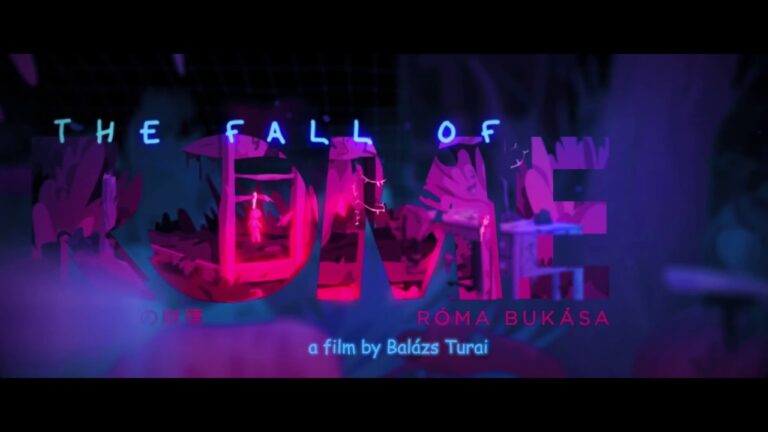
After the Great War, the few survivors huddle together in the post-apocalyptic paradise of the Dome. There they continue to worry about inflation, interior furnishing and the hordes of mutant frog-people waiting at the gates, eager to devour their children. Despite the danger, the children of Carl venture outside the Dome and confront the Enemy.
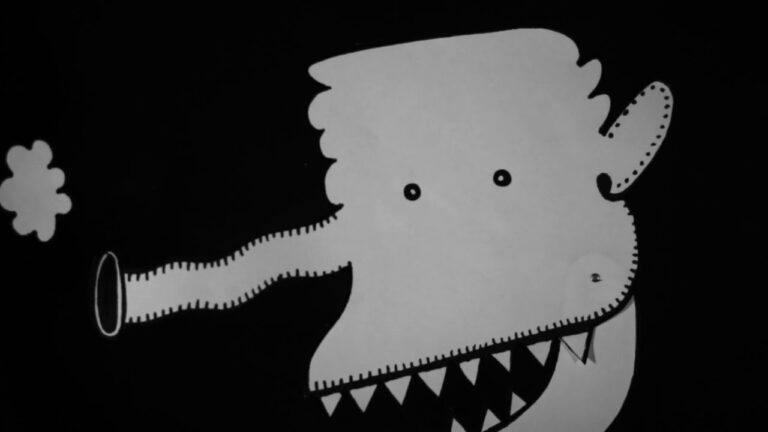
A girl stands on top of a building looking down at the city. She jumps. She falls with her eyes closed and eventually finds herself in a pond surrounded by bizarre faces. The falling continues…
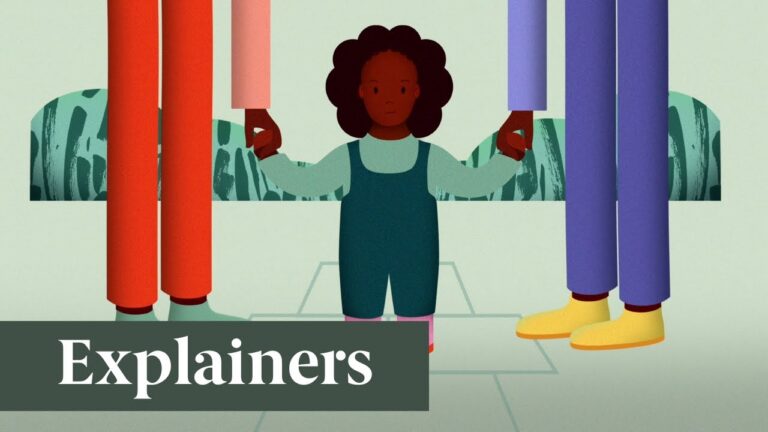
The Explainer Series – A series of animated films explaining brain development and illustrating the science behind social and emotional development in early childhood. This film explains a concept called scaffolding. Scaffolding occurs when adults support children’s learning by helping them to do something for themselves, adjusting the level of guidance and support provided, led by the child’s needs and abilities. This supports the child in mastering new skills. This film was illustrated by Vicki Turner, animated by Plastic Horse and produced by Grand Matter.
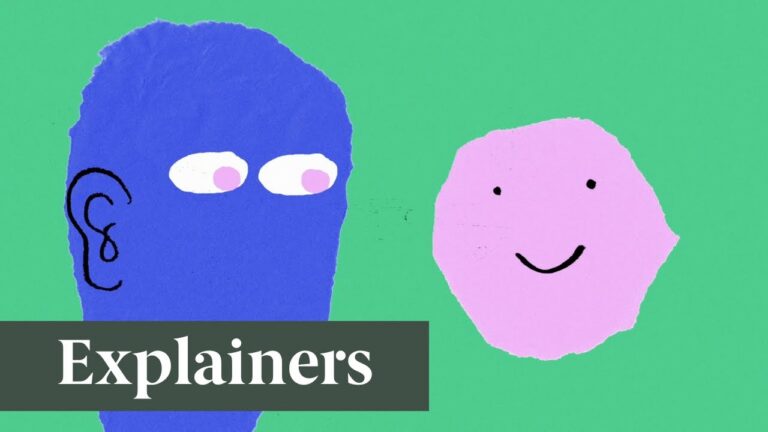
The Explainer Series – A series of animated films explaining brain development and illustrating the science behind social and emotional development in early childhood. This film unpacks a concept called attunement. In attuned conversations, adults notice a child’s emotional state, name what they are feeling and help them to manage these feelings. The film also describes other ways adults can talk to babies and young children about emotions and how this supports development. This film was illustrated by Alec Doherty, animated by Plastic Horse and produced by Grand Matter.
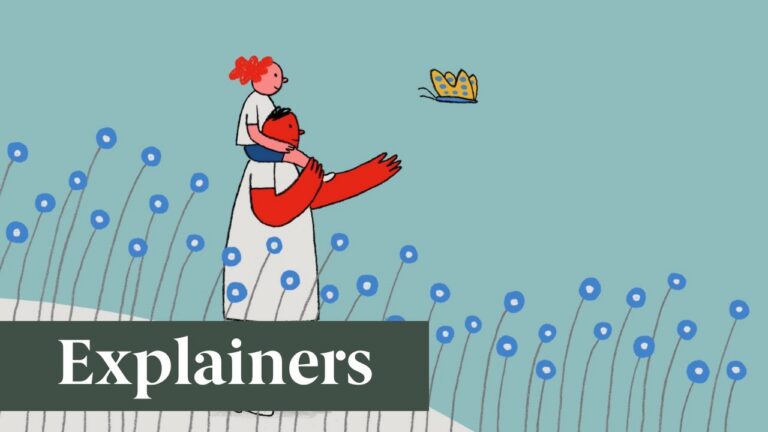
The Explainer Series – A series of animated films explaining brain development and illustrating the science behind social and emotional development in early childhood. This film explains a concept called co-regulation. Co-regulation involves supporting another person when managing big feelings and returning to a state of calm. When adults co-regulate children, they help a child deal with positive or negative feelings that might otherwise be overwhelming. This enables the child to return to a state where they can think clearly, feel safe and respond to the world around them in helpful ways. This film was illustrated by Brian Rea, animated by Delcan & Co and produced by Dutch Uncle.
The Explainer Series – A series of animated films explaining brain development and illustrating the science behind social and emotional development in early childhood.
The Explainer Series – A series of animated films explaining brain development and illustrating the science behind social and emotional development in early childhood. This film explains describes the rapid development that happens in early childhood. It explains how early relationships, surroundings and experiences shape development and can have lasting effects throughout life. This film was illustrated by Jasmine Hortop, animated by Real Good Liars and produced by Making Pictures.
The Explainer Series – A series of animated films explaining brain development and illustrating the science behind social and emotional development in early childhood. This film explains a concept called pacing. When we pace our interactions with children, we adjust our tempo and slow down to help them to process information and respond. Pacing creates space and time for meaningful connection, giving the child greater opportunity to engage positively in an interaction or activity. This film was illustrated by Owen Gildersleeve, animated by Plastic Horse and produced by Grand Matter.
The Explainer Series – A series of animated films explaining brain development and illustrating the science behind social and emotional development in early childhood. This film unpacks a concept called contingent responsiveness (also known as serve and return). Contingent responsiveness is what happens when an adult notices a baby or child’s cue or signal and responds in a way that is sensitive and appropriate. This is a central part of nurturing care. This film was illustrated by Haley Tippmann, animated by Henrique Barone and produced by Oskar Illustration.
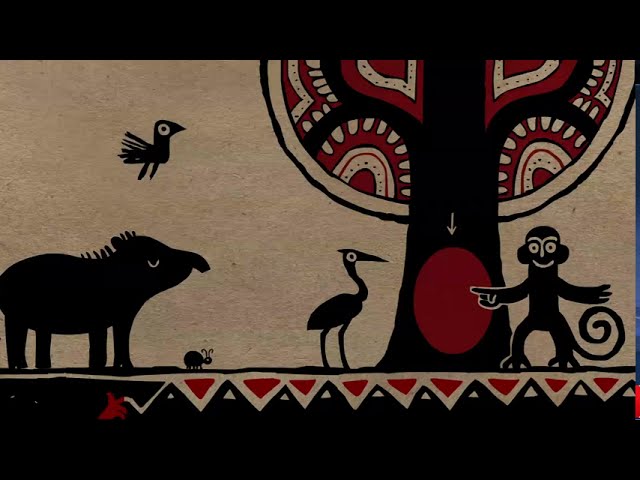
Based on an awarded picture book, the story is about Brazilian animals standing in line. As time goes by, the characters discover new reasons to continue standing in line, day in and day out. After all, what is there at the end of the line? The graphic style evokes Brazilian indigenous art.