
A couple of lovers in a passionate embrace. Camera panning back, discloses a third person, a policeman, who gets himself involved in the action.
- Comedy
- Experimental
- Non-narrative

Tag
A couple of lovers in a passionate embrace. Camera panning back, discloses a third person, a policeman, who gets himself involved in the action.
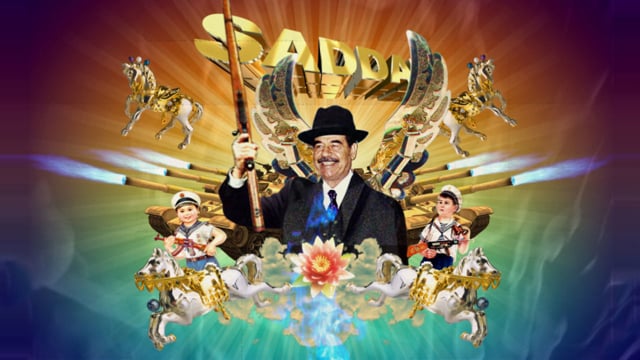
surrealistic pop-art with a cynical view on world politics created in high energy frames for pop music channels. could the apocalypse be near? tried and tested technologies with deadly composing and a pint of morphing for good measure.
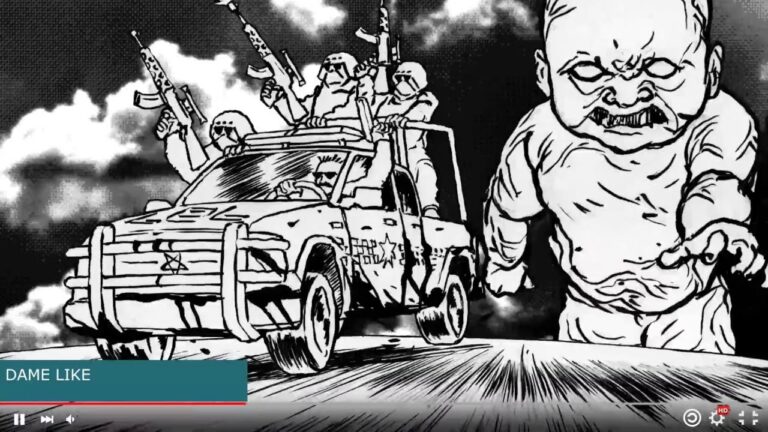
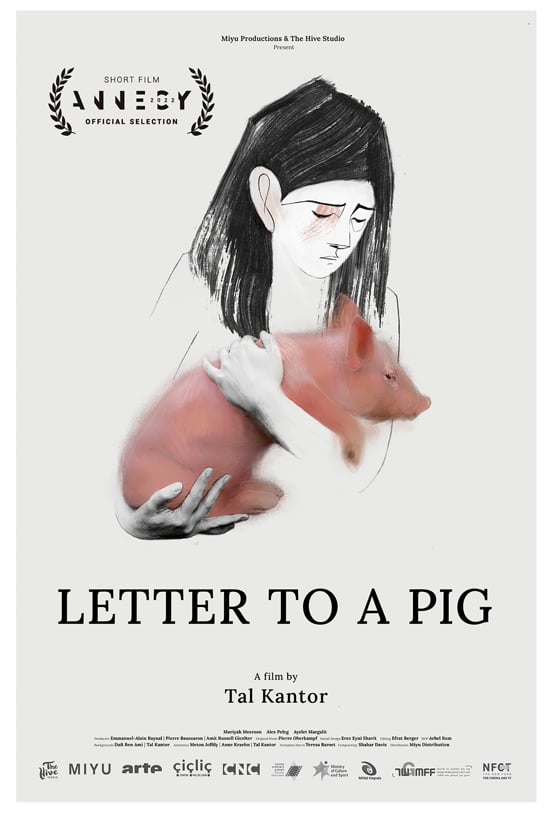
A Holocaust survivor reads a letter he wrote to the pig who saved his life. A young schoolgirl hears his testimony in class and sinks into a twisted dream where she confronts questions of identity, collective trauma, and the extremes of human nature.
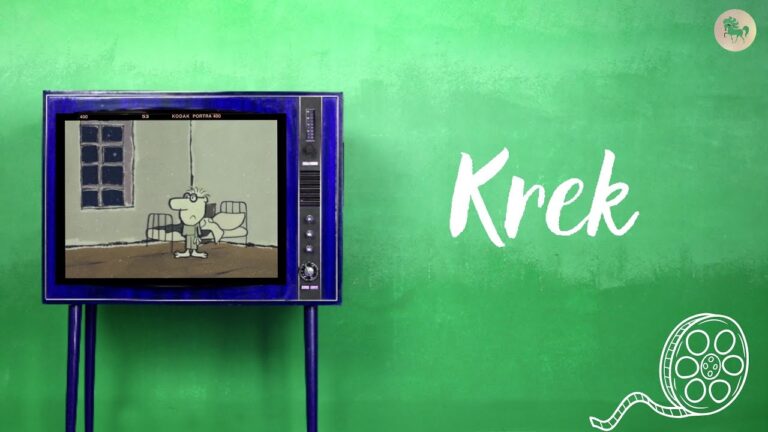
An animated film dedicated to “all the corporals of the world”. Their attempts at killing the soldiers’ human intimacy do not always succeed.

Oh, little soldier, jaunting happily towards the war, you pay no heed to the red petal you carry, marking the ones who’ll fall. Such petal is the sign of the mustard yellow death that will smother you in the pestiferous, muddy trenches. Not, however, without introducing you to some of the damned that have left already, and who are waiting for you in the fields of desolation.

The body of a man is forever marked by the horrors of war.

A man fights against a regime where all traces of humanity have been lost, but his act of rebellion seems like it’s framed within the System. He can’t do anything other than play his role in the pointless power game.
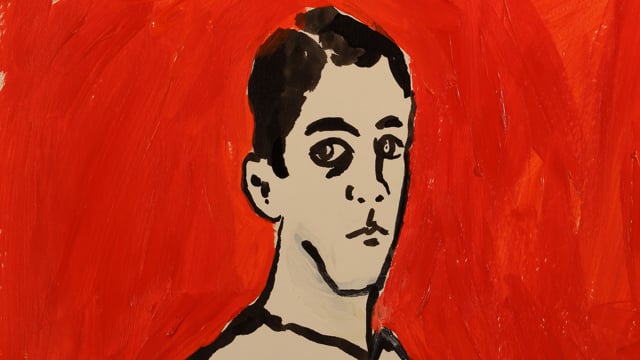
Following the end of a stormy love affair, Expressionist artist Oskar Kokoschka enlists in the First World War. After suffering serious injuries in battle, he experiences a series of memories and visions as medics transport him through the forests of the Russian front. Playful and imaginative, I’m OK explores the wounds of heartbreak and trauma.
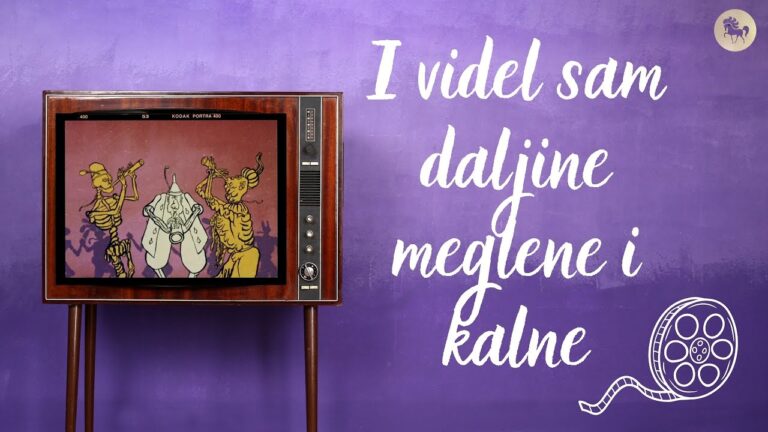
The story follows the key dramatic moments of Miroslav Krlež’s “The Ballade of Petrica Kerempuh”, accompanied by Kajkavian verses. The grotesque character of Bourek’s drawing poprime u pokretu tražiće dimenzije krležijanskog sižentanja pastrišti, kao voracious visions of blood, fire and fog on Croatian territory during the war against the Turks. Panoramas, movements of the flesh, insistence on dramatic events, all this is a new and unique initiative in our cartoon film.
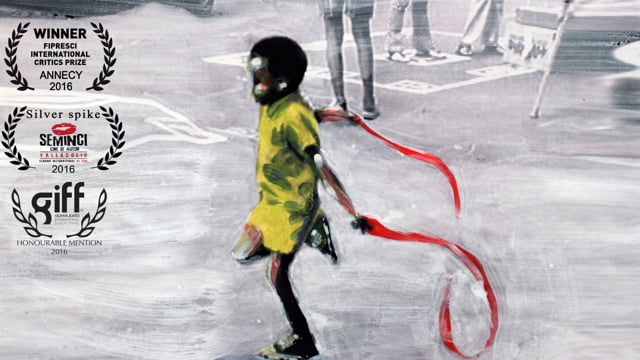
A visual journey that challenges us to think about a universal belonging that doesn’t confine itself to a city, region or national boundary in an age where xenophobia, nationalism and intolerance are ubiquitous.
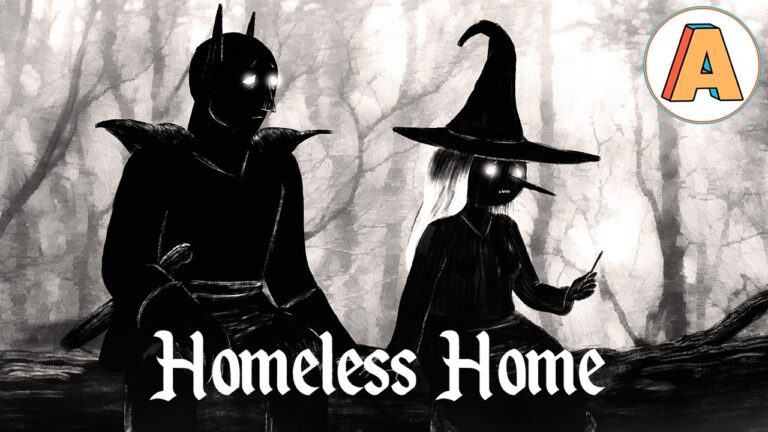
No one can escape their roots, however rotten they may be.
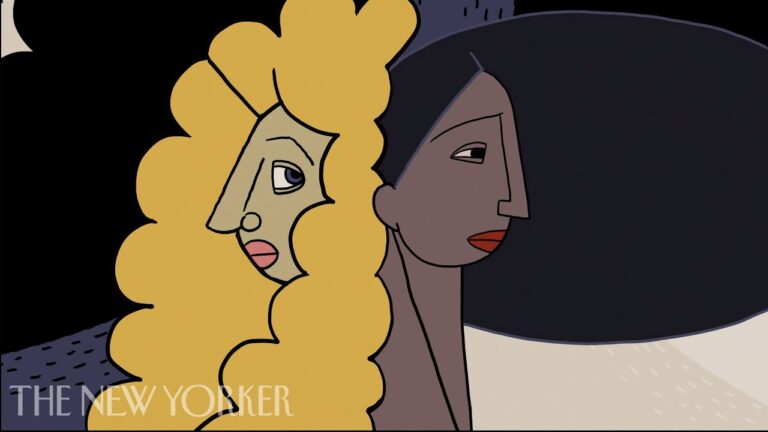
Osi Wald and Noa Berman-Herzberg’s “Holy Holocaust” documents a dark family secret coming between two longtime friends: Noa, an Israeli, and Jennifer, a German who discovers that she is the granddaughter of a notorious Nazi commander, Amon Göth.

Heldenkanzler is based on a true story. Vienna 1993 – Parliament: Many delegates are talking. A tiny man lifts himself up on the speaker’s desk. It is Engelbert Dollfuss. The other parliamentarians make fun of him loudly. A fight breaks out in the parliament. The tiny man escapes from the troubled parliament and flees into the next cinema. As he recognizes that even a small Austrian man rides highly successful on the wave of victory in Germany, he also decides to take power.

Trapped in Damascus, surrounded by war, a lonely man becomes increasingly lost in his fantasies of fleeing and the inner dialogues with his dog.
Eggs start falling on Earth. Reptile-like aliens hatch, and attack humans. Defending them, general issues a brief and impetuous decision and sends all the soldiers in a fight for survival…
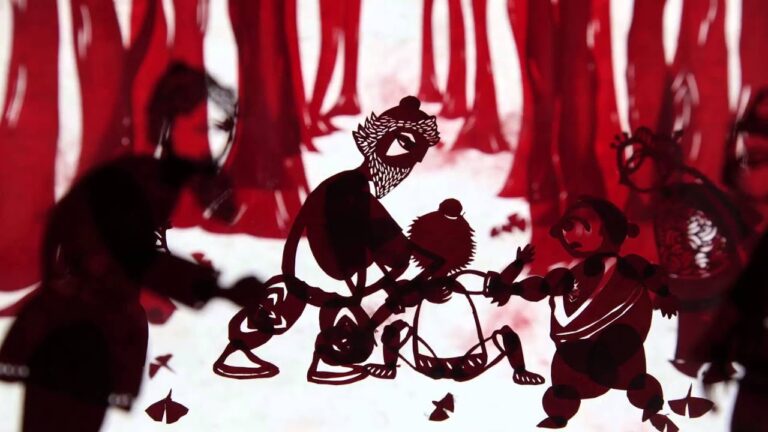
The story of this cut-out animation movie is based on an old Chinese tale: an old man, Ginko, and his son Kinko lived in a countryside village. One day, his horse ran away but the next day it actually came back with another horse, even more beautiful. Kinko went on a ride on the new horse, but fell down and broke his leg. He could not walk for several months. At that time, a war started and all the young men of the village were drafted in and many of them lost their lives on the front. Only Ginko’s son escaped the horror of war because of his broken leg that forced him to stay back home. Whatever happens, good luck and bad luck often run together. That is old man Ginko’s attitude.
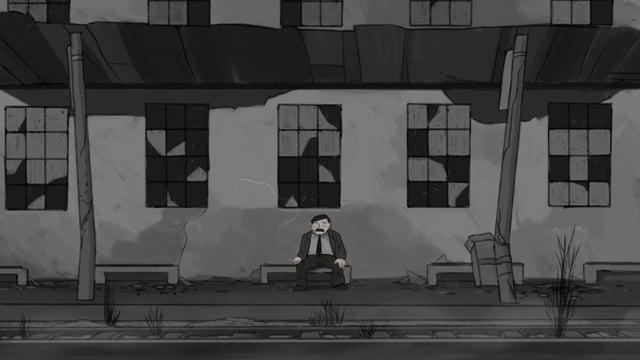
While the battle rages around an abandoned town, the remaining citizen fights his battle with loneliness though his daily rituals.
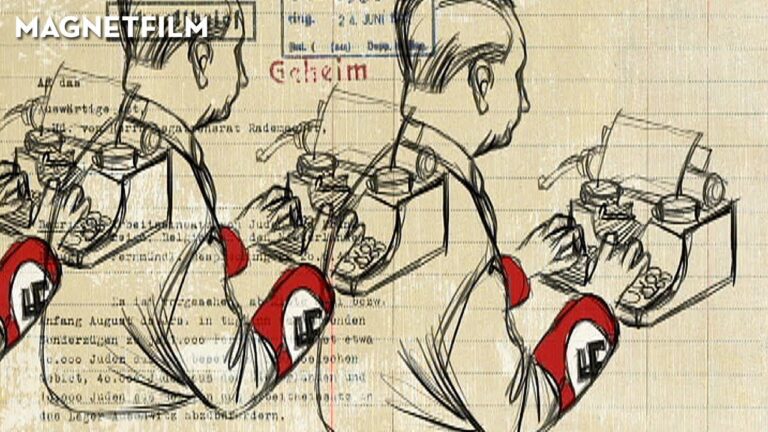
A swift revision of German or rather Germanic history, starting with the ancient Roman empire and ending with the German “reunification” and the present day. Naturally, sausages play a very key role.
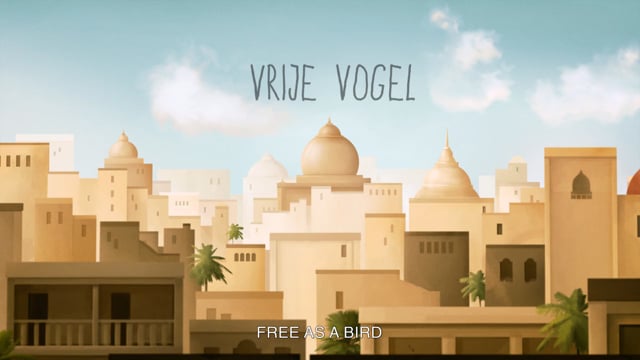
A 10 year old boy, Imad, lives in a war zone. When he finds a bird with a broken wing, he brings it home and carefully nurses it back to health. This new friendship brings Imad joy, dreams, and strength. Imad learns to listen to his heart and finds the courage to choose a (new) future.