
An hour of classic moments from Tom and Jerry featuring Spike and Tyke.
- Comedy

An hour of classic moments from Tom and Jerry featuring Spike and Tyke.
An hour of classic Tom and Jerry moments from the 40's and 50's.
50 minutes of classic Tom and Jerry from the 40's, 50's and 60's.
50 Minutes of Classic Tom and Jerry moments from 40's, 50's and 60's episodes of Tom and Jerry.
Over 50 minutes of classic Tom and Jerry moments from the 40's and 50's.
Volume 2 of the Tom and Jerry Mega Compilation series. Over 45 minutes of classic Tom and Jerry episodes from the 50's and 60's.
Over 45 minutes of Tom and Jerry's funniest moments from classic episodes featuring guests like Jerry's Cousin, Uncle Pecos and Spike and Tyke.

Music video for Daft Punk and Julian Casablancas song "Infinity Repeating", a demo recovered for the 10º anniversary edition of Random Access Memories.
Tom designs a better mousetrap that would have made Rube Goldberg jealous. While he sleeps, the mouse that Tom drew wakes Jerry and they get chased by the cat Tom drew. As Tom awakes, they make a strategic alteration to the design.
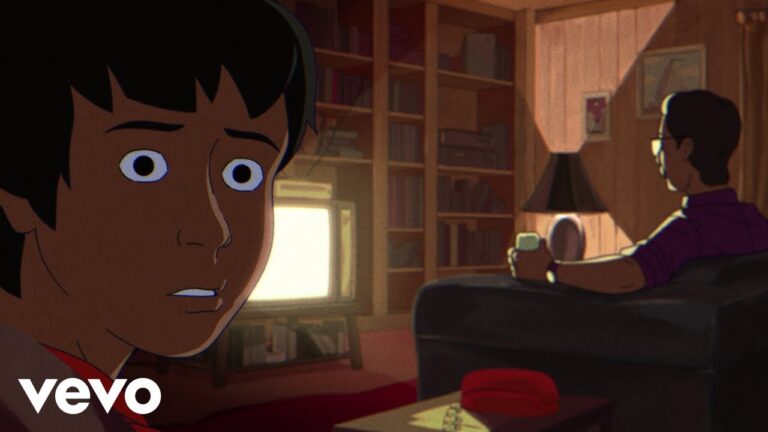
Official video for ”At The Door” by The Strokes from the album "The New Abnormal".

Animated recreation of Ariana Grande and Nicki Minaj's iconic 2016 VMA performance, portraying Ariana's workout journey and Nicki as her personal trainer.

Music video for Billie Eilish's my future created by Andrew Onorato.
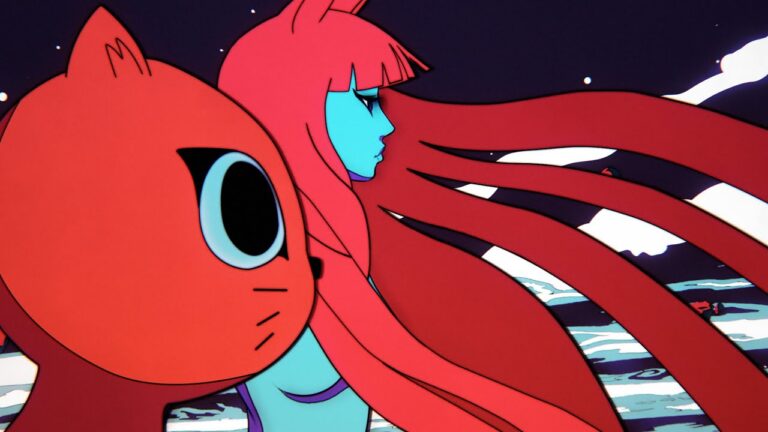
The official music video for Cafuné's single 'Tek It' - from their album Running.
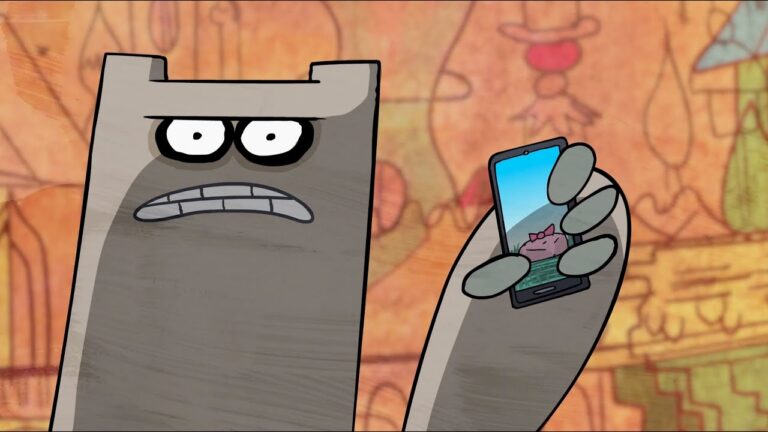
Official Chowder video for "Panini Remix" by Lil Nas X featuring DaBaby.

Music video for DJ Snake's Taki Taki animated by Jason Tammemagi.
The bulldog wants to take a nap. Tom wants to chase Jerry around the house. Naps and noise don't mix, and so the bulldog threatens Tom to keep quiet or else.
Jerry drinks a potion that makes him grow to the size of a giant. He decides to go after Tom, because THIS time he's bigger. Once the potion wears off, Tom drinks some of it, and he gets bigger. They do this over and over again.
40 minutes of classic Tom and Jerry episodes from the 50s and 60s!
An hour of classic Tom and Jerry moments with hilarious pals like Spike, Quackers, and more!
Classic collection of Tom and Jerry full episodes from Golden Era directed by Joseph Barbera and William Hanna.